Understanding the Cost: What to Expect for a Roof Installation or Replacement in Michigan
By Sam Baydoun, Certa Roofing
Planning a roof installation or replacement in Michigan? Knowing what drives the price helps homeowners and property managers make smart choices. This guide breaks down the key cost drivers—materials, property type, and location—so you can budget with confidence. Roof prices can swing widely depending on your material selection, the size and complexity of the job, and where you’re located, so a little advance knowledge goes a long way. Below we cover typical costs, the factors that most affect pricing, signs your roof needs attention, how routine maintenance saves money over time, and the specific considerations Michigan’s climate brings to the table.
What Are the Average Roof Replacement and Installation Costs in Michigan?
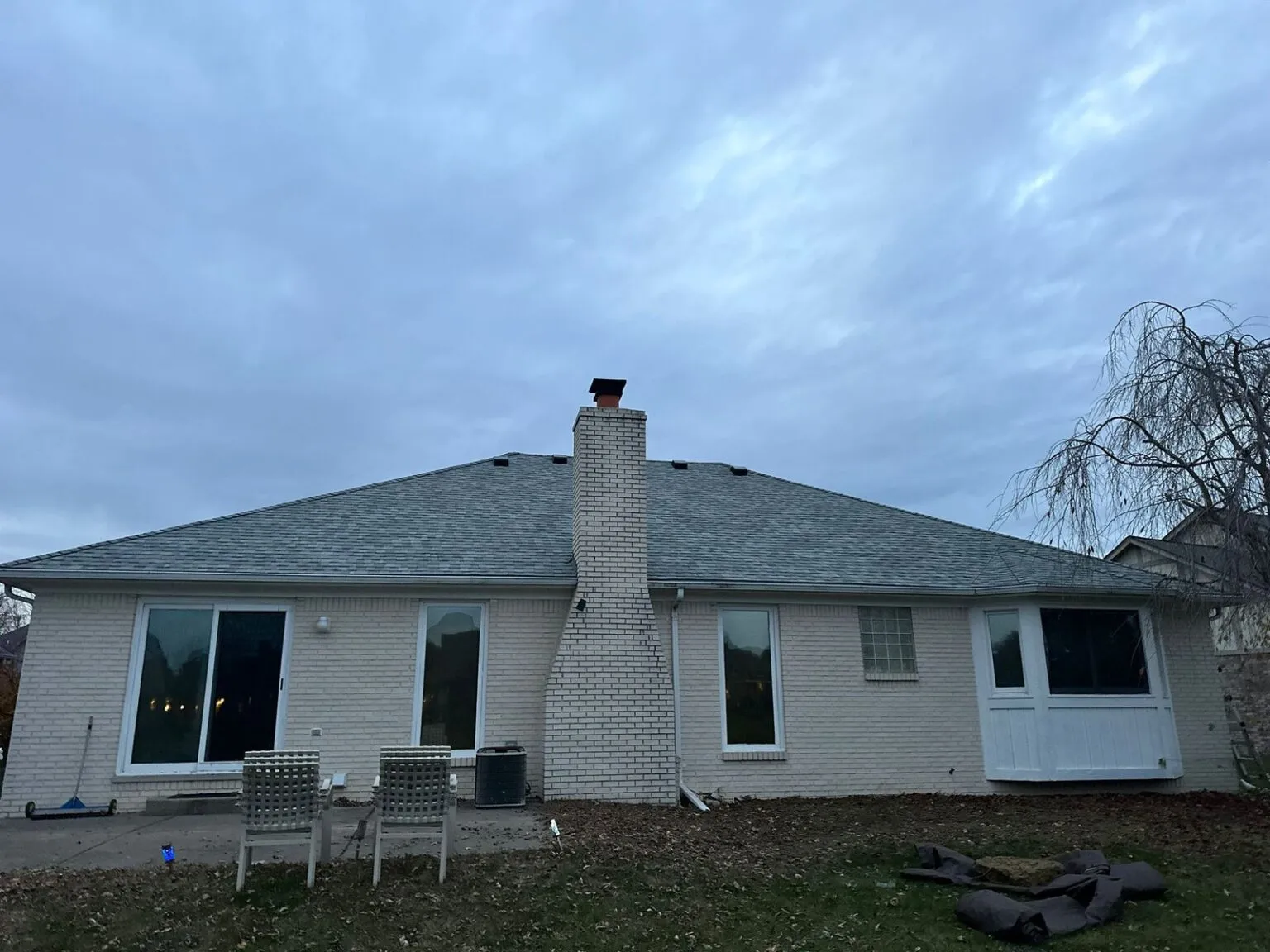
Roofing costs in Michigan vary, but having a realistic range gives you a solid starting point. Most homeowners can expect a full roof replacement to land between $8,000 and $15,000, depending on material and roof size. For installation pricing alone, budgets typically run about $300 to $700 per square (materials plus labor).
How Do Costs Vary Between Residential, Commercial, and Industrial Properties?
Pricing depends on property type. Residential jobs usually fall in the $7,000 to $12,000 range, with complexity and material choice affecting the final number. Commercial projects tend to be pricier—often $15,000 to $30,000—because of larger surface areas and different installation demands. Industrial roofing, which can require specialized materials and equipment, commonly ranges from $25,000 to $50,000, reflecting the greater scope and technical needs.
Which Roofing Materials Affect Pricing Most Significantly?
Material selection is one of the biggest budget drivers. Asphalt shingles are the most cost-effective option, averaging $90 to $120 per square. Metal roofing—valued for durability—typically runs $150 to $400 per square. Premium materials like slate or tile can be much pricier, often $600 to $1,200 per square. Knowing these costs up front helps you weigh upfront expense against lifespan and performance.
What Factors Influence Roof Installation and Replacement Prices in Michigan?
Several key items affect your overall roofing estimate. Understanding each one helps you plan and avoid surprises when bids come in.
How Do Labor, Permits, and Roof Complexity Impact Total Costs?
Labor rates vary by market and by the skill required for the job. Hiring experienced roofers pays off—poor installation usually costs more later. Permits are often required and can add $100 to $500 depending on local codes. Complex roof designs need more time and expertise to install correctly, which increases labor costs accordingly.
In What Ways Does Michigan’s Climate Affect Roofing Expenses?
Michigan’s harsh winters and changeable weather shape roofing choices and costs. Roofs in colder areas must resist heavy snow loads, which can mean stronger materials and additional structural support. Extra insulation needs also raise expenses. Storm resistance—against wind and hail—is often a priority, which affects both material selection and installation methods.
What Are the Signs That Indicate You Need a Roof Replacement or Repair?
Spotting problems early can save a lot of money down the road.
Which Early Damage Indicators Should Property Owners Monitor?
Watch for curling or missing shingles—these are clear signs of wear that can let water in. Interior water stains on ceilings or walls point to active leaks that should be addressed quickly. Visible sagging in the roof structure signals more serious issues and calls for immediate inspection.
How Do Regular Roof Inspections Contribute to Cost Savings?
Routine inspections let you catch small problems before they become big ones. Inspections typically cost $150 to $300, but they can extend a roof’s life and prevent expensive failures. Data shows that well-maintained roofs can last roughly 20% longer than neglected ones, making inspections a cost-effective investment.
How Does Routine Roof Maintenance Affect Longevity and Cost in Michigan?
Regular maintenance is one of the best ways to protect your investment and lower long-term expenses.
What Preventative Care Practices Are Recommended for Michigan Buildings?
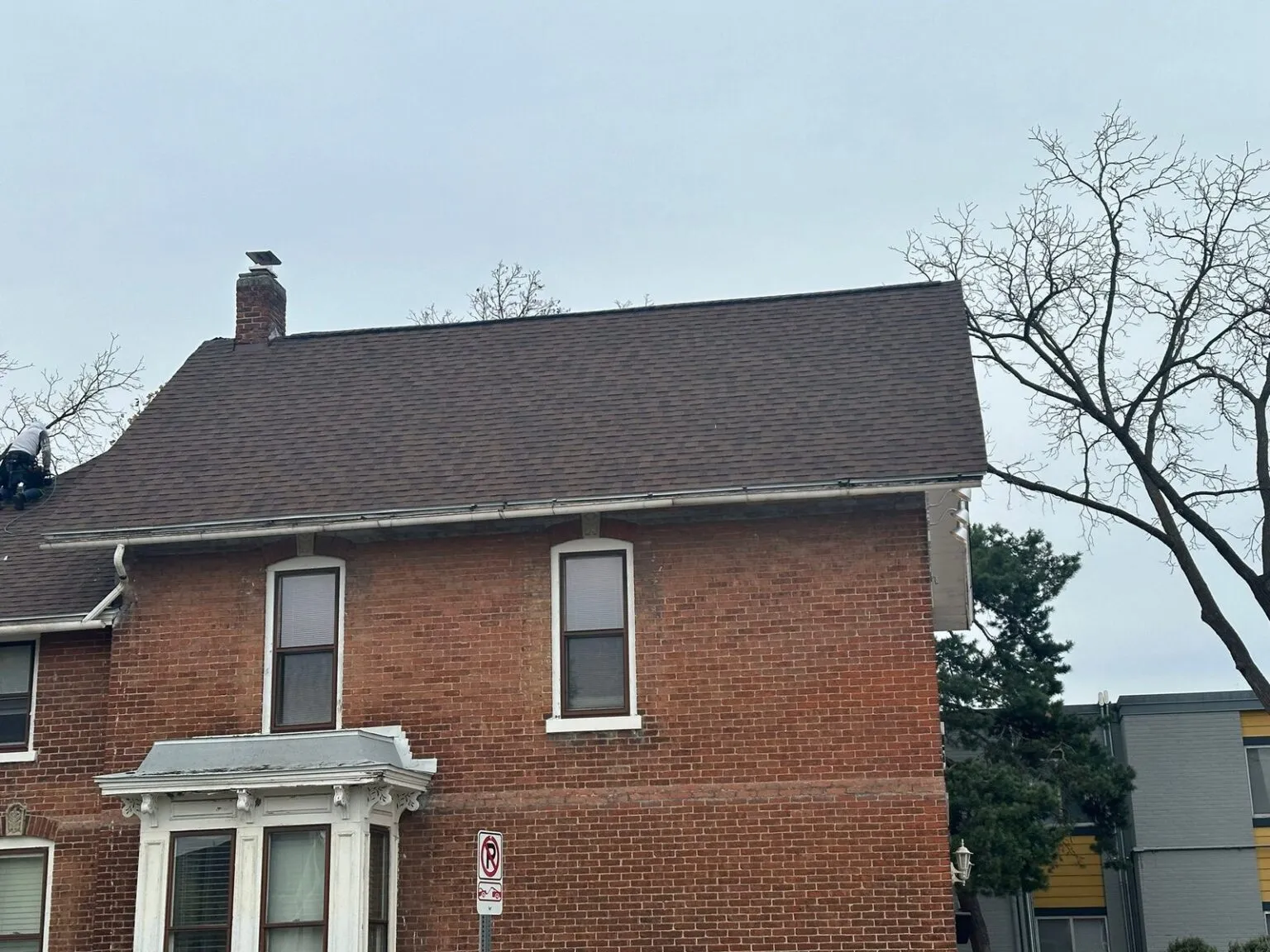
Simple preventative steps—gutter cleaning, debris removal, and scheduled inspections—should be part of any maintenance plan. We recommend professional checks at least twice a year. These small efforts keep roofs in better shape and add up to meaningful savings over time. For professional help with seamless gutters, be sure to explore local service options.
How Can Maintenance Reduce the Frequency of Costly Roof Replacements?
Proactive maintenance—promptly repairing minor damage and keeping drainage clear—often delays the need for a full replacement. That can translate into several extra years of service and substantial savings, since replacing an entire roof is considerably more expensive than periodic upkeep.
Inspection frequency isn’t one-size-fits-all — it depends on the type of property and its exposure to wear. Our guide on How Often Should You Schedule a Roof Inspection? Practical Guidance for Homes, Businesses, and Industrial Properties breaks down the right timeline for homes, businesses, and industrial properties.
What Are the Key Differences Between Residential, Commercial, and Industrial Roofing Systems in Michigan?
Knowing how roofing systems differ by property type helps you choose the right solution and budget appropriately.
How Do Material Choices and Installation Methods Differ Across Property Types?
Residential roofs commonly use asphalt shingles or wood shakes for affordability and curb appeal. Commercial buildings often use flat systems like TPO or EPDM designed for large, flat surfaces and reliable waterproofing. Industrial roofs typically rely on heavy-duty metal or built-up systems built to handle equipment loads and harsh conditions.
What Are the Distinct Cost Considerations for Each Roofing System?
Costs vary widely across systems. Residential projects are usually less expensive up front, while commercial and industrial systems can carry higher material and installation costs plus different long-term maintenance needs. When budgeting, factor in not only initial installation but also routine care and expected repair cycles for the chosen system.
How Does Michigan Weather Impact Roofing Needs and Associated Costs?
Michigan’s seasonal extremes play a major role in selecting materials and planning for future expenses.
What Are the Common Weather-Related Damage Risks to Roofs in Michigan?
Heavy snow, ice buildup, and strong thunderstorms are frequent concerns. Snow accumulation can create ice dams that force water under shingles and into your home. High winds can lift or tear off roofing materials, so durability and proper fastening are critical.
How Do Storms and Seasonal Changes Influence Roofing Material Selection?
Regions that see heavy snow often benefit from metal or slate roofing because they shed snow more easily. Areas prone to severe storms should prioritize products with strong wind ratings to reduce the risk of damage and costly repairs.
For comprehensive roofing solutions and expert advice, consider visiting Certa Roofing. We provide services tailored to Michigan’s climate and local needs. Learn more about our team and values on the About Us page.
See examples of our work in the Certa Roofing Gallery.