Emergency Commercial Roof Repair: Practical Guidance for Leaks and Storm Damage
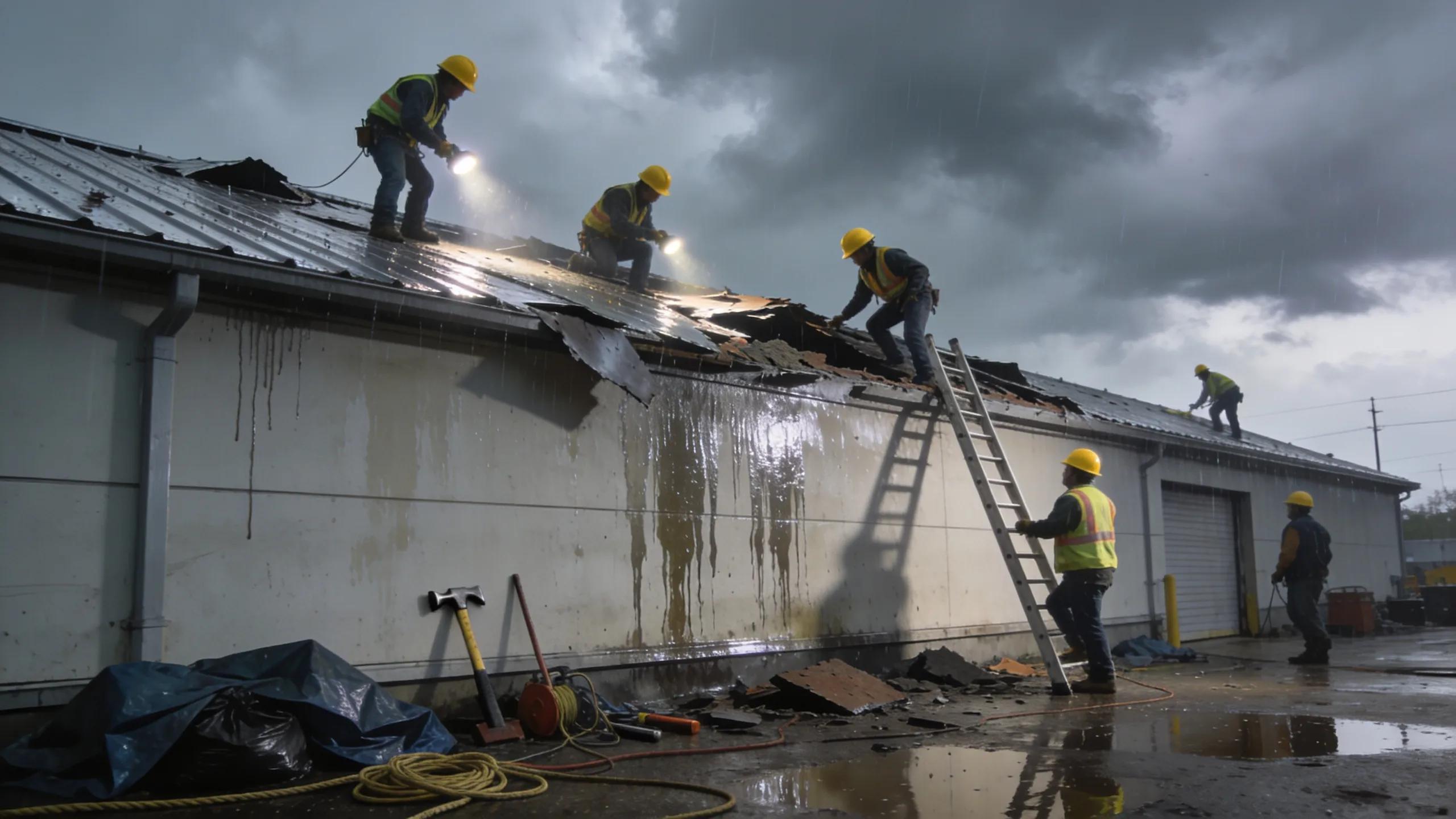
Emergency commercial roof repair protects your building from worsening damage after storms or leaks. Spotting the warning signs early and acting fast preserves your property and extends the life of the roof. This guide explains what to look for, how to inspect effectively, and which maintenance steps matter most. We also share practical tips from Certa Roofing, a Michigan-based specialist in commercial roofing.
What Are the Key Signs Indicating Emergency Commercial Roof Repair Is Needed?
Knowing the main indicators of a failing commercial roof helps you act before problems multiply. The most common red flags are active leaks, visible mold, and structural issues. Tackling these promptly protects your building and can save on larger repairs later.
- Water Leaks: Water stains on ceilings or walls usually point to an active leak that needs quick attention.
- Mold Growth: Persistent moisture encourages mold, which harms building materials and can affect occupant health.
- Structural Damage: Sagging areas or warped supports signal serious problems that require immediate repair.
Certa Roofing focuses on fast leak detection and thorough inspections to help property managers and owners limit damage. Learn more about the company on their About Us page.
How to Identify Commercial Roof Leaks and Storm Damage Early
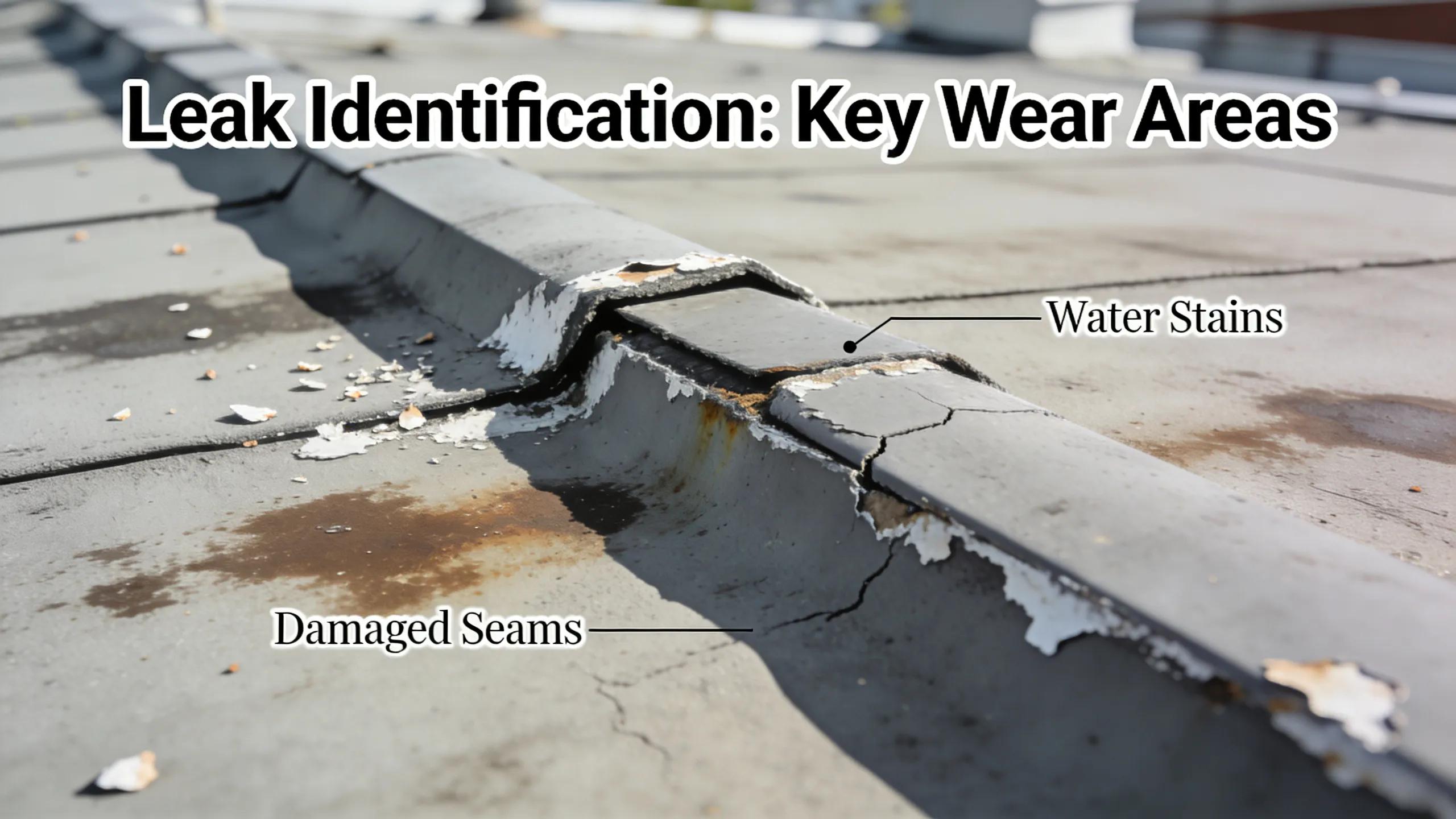
Finding leaks and storm damage early reduces the chance of structural failure. A routine inspection program—combining simple visual checks with occasional professional assessments—lets you spot trouble before it spreads.
- Visual Inspection Techniques: Walk the roof and look for peeling, soft spots, blistering, or cracked seams.
- Professional Services: Certified inspectors use tools and experience to find hidden damage that casual checks can miss.
- Documenting Damage: Photograph and log any issues you find to track changes and support insurance claims.
These small, regular steps help keep minor concerns from turning into major failures.
What Are Common Indicators of Flashing and Drainage Failures in Commercial Roofs?
Flashing and drainage keep water moving off the roof. When they fail, water pools and soaks into the building. Typical signs include leaks at seams, rusted flashing, and standing water after rain.
- Flashing Issues: Check joints for gaps, corrosion, or loose fasteners that let water in.
- Drainage System Importance: Make sure gutters and downspouts are clear so water can flow away from the roof and foundation.
- Pooling Water Signs: Persistent standing water points to blocked drains or improper slope and needs prompt correction.
Fixing these problems quickly can cut repair costs and avoid interior damage. For roofs using specific materials, review EPDM roofing maintenance recommendations.
How Do Professional Roof Inspection Services Enhance Emergency Roof Repair Outcomes?
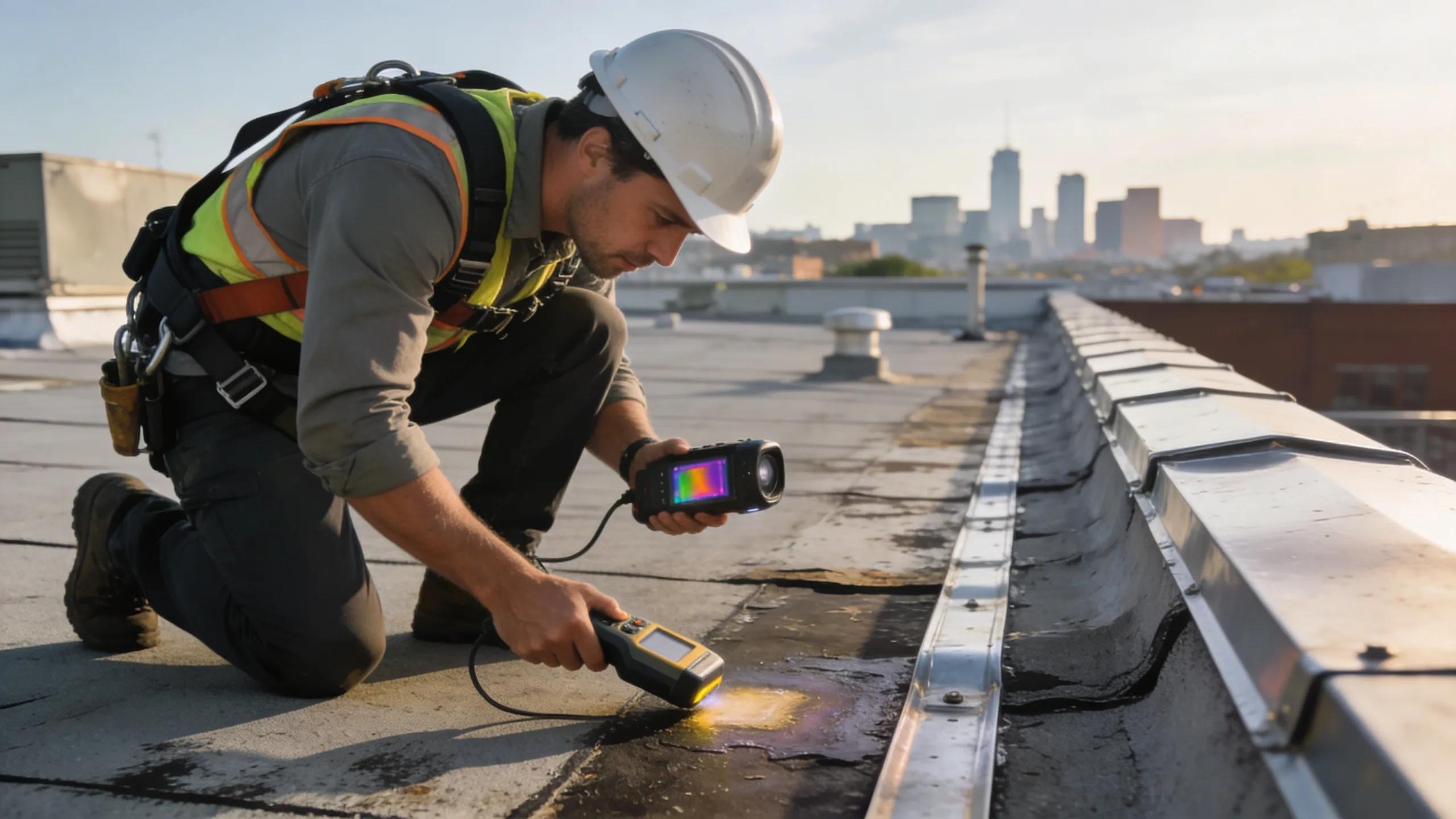
Professional inspections go beyond a quick look. They uncover hidden moisture, structural weaknesses, and code issues so repairs are targeted and effective.
- Thorough Evaluations: Pros use tools and methods to assess both visible and concealed areas of the roof.
- Identifying Hidden Issues: Inspections reveal moisture pockets, insulation problems, and other conditions that lead to failure if left unchecked.
- Complying with Regulations: Licensed inspectors help ensure repairs meet local building codes and safety requirements.
Certa Roofing integrates these inspections into preventative plans to reduce emergency calls and extend roof life.
What Are Established Leak Detection Methods for Commercial Roofing Systems?
Reliable leak detection shortens response time and limits damage. A mix of proven tools and experienced technicians delivers the best results.
- Common Leak Detection Tools: Infrared cameras and moisture meters are effective at finding concealed wet areas beneath membranes and insulation.
- When to Use Professional Help: Complex roofing systems or large facilities usually require specialists to diagnose and locate leaks accurately.
- Benefits of Early Detection: Finding leaks early preserves the roof, protects contents, and lowers repair costs.
Include these methods in your maintenance plan to protect the building long term.
The high cost of water damage from undetected leaks highlights why reliable leak detection is essential for commercial roofing.
Passive Leak Detection Technologies for Membrane Commercial Roofing
The U.S. Army, which maintains many low-slope membrane roofs, has noted that most of these roofs will eventually develop flaws that let water in. Water damage to the roofing system, structure, and building contents that occurs between the start of a leak and its discovery can be costly. A passive roof leak detection system (PRLDS) could give early warning of leaks and help managers reduce roofing maintenance costs. (Survey of passive leak detection technologies for membrane roofing, 1994)
How Does Routine Inspection Support Preventative Maintenance in Flat Roof Emergency Repairs?
Regular inspections are the backbone of preventative maintenance for flat roofs. Following a scheduled program helps you catch small issues and keep the roof performing between major renewals.
| Inspection Frequency | Maintenance Activity | Anticipated Outcome |
|---|---|---|
| Quarterly | Visual inspections | Early detection of minor issues |
| Bi-annual | Professional reviews | Comprehensive health checks |
| Annually | Full system evaluation | Extended roof lifespan |
The table shows a simple inspection schedule you can adopt to keep your roof in good condition and reduce emergency repairs.
What Are the Recommended Emergency Repair Procedures for Commercial Roofs in Michigan?
When an emergency hits, quick and safe action matters. Follow a clear sequence: assess safety, apply temporary protections, and document everything for repairs and claims.
- Initial Safety Assessments: Confirm the area is safe for workers and identify immediate hazards before beginning repairs.
- Temporary Fixes Until Professional Help: Use tarps, temporary patches, or sealants to stop water intrusion until a permanent repair can be scheduled.
- Documenting Damage for Insurance: Photograph damage and keep notes on dates, conditions, and any temporary measures taken to support insurance claims.
These steps speed recovery and protect both people and property.
Not every roof issue can be fixed with a quick patch — sometimes replacement is the smarter long-term choice. Our guide on Top Signs Indicating It’s Time to Replace Your Roof: Roof Inspection and Maintenance Guide helps you spot the warning signs early.
When Is Roof Replacement Necessary Following Emergency Commercial Roof Repair?
Deciding between repair and replacement depends on the roof’s condition, age, and the scope of damage. Consider long-term cost and performance, not just the immediate price.
- Age of Roof: If the roof is near the end of its expected life, replacement may be more economical than repeated repairs.
- Extent of Damage: Widespread or structural damage often means replacement is the right choice.
- Cost-Effectiveness of Repairs vs Replacement: Compare ongoing repair costs to the investment in a new roof to determine the best path.
A professional assessment can help you choose the most practical option. See more on roof replacement.
What Are Industry Standards and Timelines for Scheduling Roof Replacement?
Knowing standards and realistic timelines helps you plan replacements with minimal disruption. Weather, local codes, and roof complexity all affect scheduling.
- Understanding Local Codes: Follow local building rules and permit requirements to avoid delays and ensure safety.
- Timeline for Replacements: Typical commercial roof replacements take about two to four weeks, depending on size and complexity.
- Recommended Materials: Choose materials that meet code and performance needs to maximize durability and reduce future work.
Planning with these factors in mind leads to smoother projects and longer-lasting roofs.
How Does Preventative Maintenance Mitigate Future Emergency Commercial Roof Repairs?
Regular preventative maintenance cuts the chance of emergency repairs and protects your investment. It saves money and reduces unexpected downtime for your building.
- Cost Savings Through Early Detection: Small repairs are cheaper than emergency fixes or premature replacement.
- Increased Property Longevity: Routine care helps roofs last longer and perform better.
- Reassurance for Property Owners: Scheduled maintenance gives owners confidence that the building is safe and well-managed.
Building a maintenance plan is one of the best ways to avoid costly emergencies.
What Seasonal Maintenance Practices Are Vital for Michigan Commercial Roofs?
Michigan’s seasons put unique stress on roofs. Seasonal upkeep protects against freeze-thaw cycles, heavy snow, and fall debris.
- Seasonal Inspections: Inspect the roof at the start and end of harsh seasons to catch weather-related wear early.
- Gutter Maintenance: Keep gutters and downspouts clear so melting snow and rain drain properly.
- Snow Removal Techniques: Remove excessive snow to prevent overload and reduce the risk of ice dams on flat roofs.
These seasonal practices improve resilience and performance year-round.
How Do Seamless Gutters and Proper Drainage Systems Protect Commercial Roof Integrity?
Seamless gutters and well-designed drainage guide water away from the roof and foundation, preventing leaks and structural damage.
- Benefits of Seamless Gutters: Seamless systems reduce leak points and require less maintenance than sectioned gutters.
- Drainage System Effectiveness: Properly sized and routed drains keep water moving off the roof and away from the building.
- Impact on Roof Longevity: Good drainage reduces moisture-related deterioration and extends roof life.
Consider seamless gutters as part of an overall water-management strategy.
What Are the Financial and Operational Benefits of Prompt Emergency Commercial Roof Repair?
Addressing roof issues quickly reduces further damage and supports your business operations. Fast repairs protect assets, people, and property value.
- Cost Savings from Quick Repairs: Timely fixes prevent escalation that leads to costly replacements.
- Health and Safety Benefits: Fixing leaks promptly lowers mold risk and structural hazards for occupants.
- Increase in Property Value: Well-maintained buildings attract tenants and customers and maintain market value.
Prompt attention preserves operations and minimizes long-term expense.
What Insurance and Claim Assistance Options Are Available for Storm Damage Repairs?
Understanding insurance coverage and the claims process helps you secure funding for storm repairs. Being organized speeds the process and improves outcomes.
- Types of Insurance Coverage: Know what your policy covers and what is excluded so you can plan accordingly.
- Steps for Filing a Claim: Document damage, contact your insurer, and follow their claims process carefully.
- Documentation Needed for Claims: Keep photos, repair estimates, receipts, and correspondence to support your claim.
Clear documentation and prompt reporting make insurance claims easier to manage when storms strike.