Comprehensive Guide to Commercial Roofing Installation in Rochester Hills: What to Expect
By Sam Baydoun, Certa Roofing
Commercial roofing installation is a fundamental component of preserving the structural integrity and operational performance of business properties. A clear understanding of available roofing systems, their advantages, and the standard installation sequence enables property owners to make informed, value-driven decisions. This guide presents practical information specific to Rochester Hills on key roofing systems, installation procedures, and routine maintenance practices. Many owners must balance durability, cost, and energy performance; evaluating local contractor expertise helps protect that investment. The article examines common commercial roofing types, benefits of flat roof installations, typical installation timelines, and essential maintenance measures.
What Are the Key Commercial Roofing Systems Used in Rochester Hills?
In Rochester Hills, several commercial roofing systems are commonly utilized, each offering unique advantages tailored to different building needs. The primary types include:
- EPDM Roofing : A popular choice for its durability and cost-effectiveness, EPDM (ethylene propylene diene monomer) is a synthetic rubber roofing membrane that provides excellent weather resistance.
- TPO Roofing : Thermoplastic olefin (TPO) is known for its energy efficiency and reflective properties, making it an ideal option for reducing cooling costs in commercial buildings.
- Metal Roofing : This system is favored for its longevity and resistance to severe weather conditions, providing a robust solution for various commercial applications.
- Built-Up Roofing : Comprising multiple layers of bitumen and fabric, built-up roofing offers excellent waterproofing and is suitable for flat roofs.
Understanding these systems enables property owners to select the most appropriate solution for their operational requirements and local climate. Certa Roofing specialises in these systems and delivers professional installation and maintenance tailored to commercial facilities.
How Does EPDM Roofing Enhance Commercial Roof Durability?
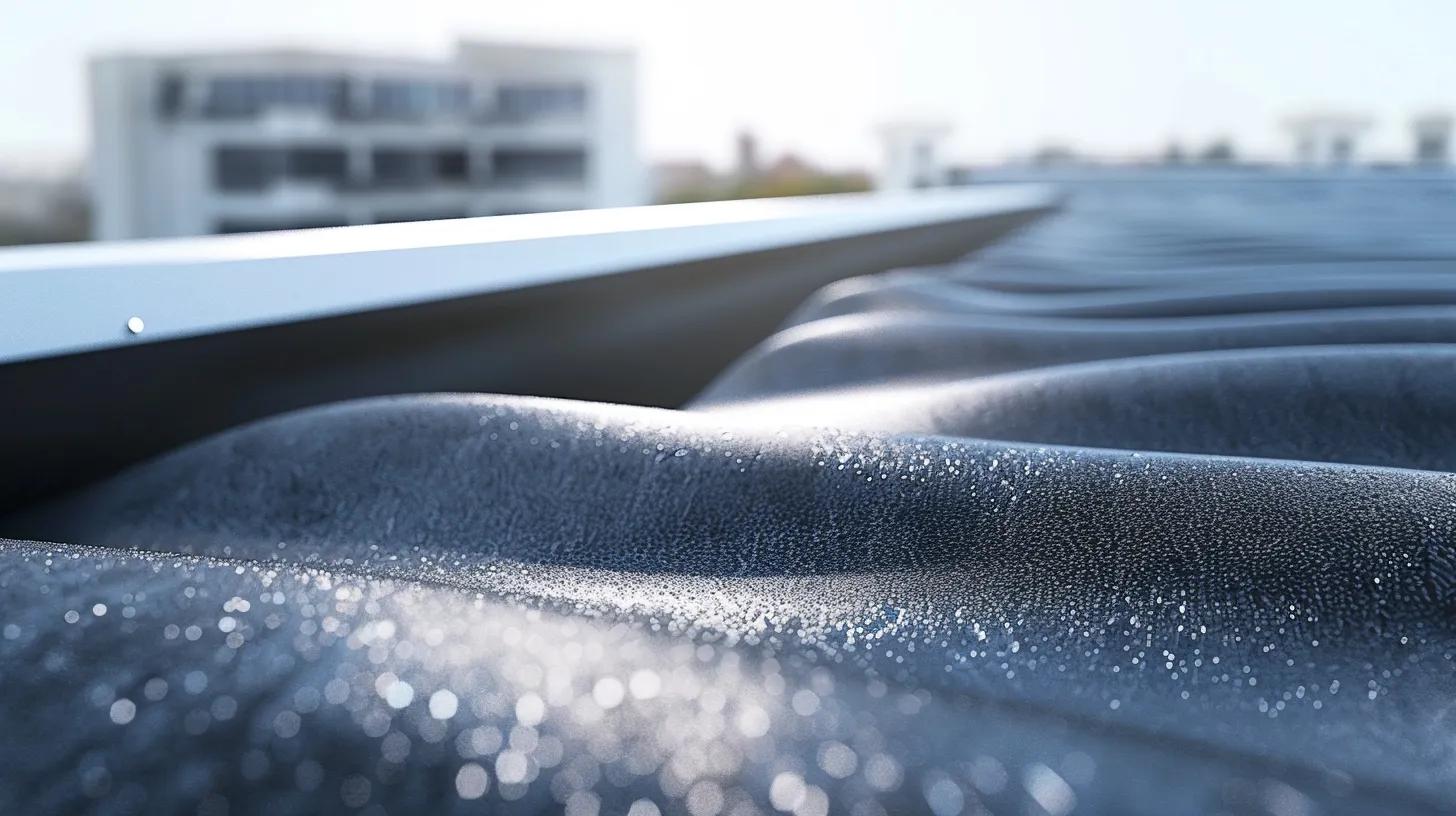
EPDM roofing increases commercial roof durability through its formulation and performance characteristics. The synthetic rubber membrane resists UV exposure, ozone, and severe weather, which contributes to an extended service life. EPDM retains flexibility across temperature variations, reducing the risk of cracking or splitting in the Rochester Hills climate. The material is also lightweight, decreasing structural load and facilitating installation. Combined with low maintenance needs and competitive cost, these attributes make EPDM a pragmatic option for commercial applications.
Independent research corroborates the material’s resilience across diverse climatic conditions.
EPDM Roofing Durability & Climatic Performance
durability of the eco-friendly roofing polymer material based on ethylene-propylene-diene monomer rubber (EPDM) to predict the durability of roofing materials in different climatic regions.
Study of the eco-friendly roofing materials based on elastomers in accelerated modes, 2020
Additional studies have examined the influence of weather on EPDM material properties, including tear resistance and tensile strength.
EPDM Single-Ply Roofing: Weather Effects & Material Strength
tear resistance and increases tensile strength of single-ply. aging of EPDM roofing decreased its tensile strength (21). In presented variable puncture data among the EPDM membranes.
Examining regional weather effects on single ply roofing membranes, 2018
What Are the Benefits of Flat Roof Installation for Commercial Buildings?

Flat roof installations provide several operational and financial advantages for commercial properties. The primary benefits are:
- Cost-Effectiveness : Flat roofs are generally less expensive to install and maintain compared to sloped roofs, making them a budget-friendly option for businesses.
- Space Utilization : The flat surface allows for the installation of HVAC units, solar panels, and other equipment, maximizing the usable space on the roof.
- Ease of Maintenance : Flat roofs provide easier access for inspections and repairs, reducing the time and cost associated with maintenance.
Despite these advantages, low-slope commercial roof systems—frequently used for flat roofs—can be more vulnerable to leaks if not installed and maintained correctly. Proper installation standards and scheduled maintenance are therefore essential to mitigate this risk.
Low-Slope Commercial Roof Systems & Leak Prevention
summary of typical roof systems installed on the buildings represented in this study. In this study, we focus on low-slope roofs since they are the most prone to leak. Among roof systems
Life-cycle costs of commercial roof systems, DP Coffelt, 2010
These operational and cost benefits make flat roofing systems an attractive option for many commercial properties. Certa Roofing provides expert installation services, ensuring flat roofs are constructed to industry standards and engineered to withstand local weather conditions.
What Is the Typical Commercial Roof Installation Process and Timeline?
The commercial roof installation process comprises defined stages, each necessary to achieve a durable outcome. The standard sequence includes:
- Initial Consultation : A thorough assessment of the building and its roofing needs is conducted, including discussions about materials and budget.
- Inspection and Estimation : The existing roof is inspected, and a detailed estimate is provided, outlining the scope of work and materials required.
- Preparation and Installation : The installation team prepares the site, removing any old roofing materials if necessary, before installing the new roofing system.
- Final Walkthrough : Once the installation is complete, a final inspection is conducted to ensure everything meets quality standards.
Typical project timelines range from four to eight weeks, subject to project complexity and prevailing weather. Certa Roofing follows industry best practices and project controls to deliver a reliable, long-lasting roofing solution.
Which Steps Are Involved in Professional Commercial Roof Installation?
Professional commercial roof installation follows methodical steps to ensure compliance and longevity. The core activities are:
- Site Assessment : Evaluating the building’s structure and existing roof conditions to determine the best approach.
- Material Selection : Choosing appropriate roofing materials based on the building’s needs, budget, and local climate.
- Installation Preparation : Preparing the site by removing old roofing materials and ensuring a clean surface for the new installation.
- Roof Installation : Executing the installation according to manufacturer specifications and industry standards.
- Quality Control : Conducting inspections throughout the process to ensure compliance with safety and quality standards.
Adherence to these steps is necessary to achieve a durable installation that fulfils the operational requirements of commercial property owners.
How Long Does Commercial Roof Installation Usually Take in Rochester Hills?
Installation duration in Rochester Hills varies with system type, building size, and weather. Most commercial projects complete within a four- to eight-week window, which encompasses consultation, site preparation, installation, and final inspection. Effective planning and schedule management reduce delays and support cost control. Certa Roofing emphasizes efficient project management to maintain timelines and budgets.
How Should Commercial Roof Maintenance Be Conducted for Longevity?
Proactive maintenance is central to maximising commercial roof service life. Property owners should adopt a scheduled maintenance programme that includes:
- Routine Inspections : Conducting inspections at least twice a year to identify potential issues before they escalate.
- Cleaning Debris : Removing leaves, branches, and other debris from the roof surface and drainage systems to prevent water pooling and damage.
- Repairing Damage : Addressing any signs of wear, such as cracks or leaks, promptly to avoid further deterioration.
Consistent maintenance reduces the likelihood of major failures and supports predictable lifecycle costs for the roof asset.
What Are the Best Practices for Roof Maintenance in Commercial Buildings?
To preserve roof performance, property owners should implement established maintenance practices:
- Establish a Maintenance Schedule : Create a regular schedule for inspections and maintenance tasks to ensure consistent care.
- Document Repairs and Inspections : Keep detailed records of all maintenance activities, including inspections, repairs, and any issues encountered.
- Hire Professionals : Engage qualified roofing contractors for inspections and repairs to ensure work is performed to industry standards.
Applying these practices systematically enhances roof longevity and reduces the probability of unexpected repair expenses.
How Can Routine Inspections Prevent Costly Roof Repairs?
Routine inspections serve as an early-warning mechanism to limit repair costs by identifying defects before they escalate. Regular assessments commonly detect:
- Leaks : Identifying leaks before they cause significant water damage to the building’s interior.
- Wear and Tear : Spotting signs of wear, such as cracked or missing shingles, that could lead to more extensive damage if left unaddressed.
- Drainage Issues : Ensuring that drainage systems are functioning correctly to prevent water pooling and associated damage.
Investing in scheduled inspections typically reduces long-term repair costs and extends the effective service life of the roof.
When Is Commercial Roof Replacement Necessary and What Are the Costs?
Commercial roof replacement is warranted when a roof reaches its service limit or sustains extensive damage. Common indicators include:
- Severe Leaks : Persistent leaks that cannot be repaired effectively.
- Extensive Damage : Widespread damage that compromises the roof’s structural integrity.
- Age : Roofs that have exceeded their expected lifespan, typically 20-30 years depending on the material.
Replacement costs vary based on building size, selected materials, and local labour rates. Property owners should obtain multiple, detailed estimates to confirm competitive pricing and scope alignment.
What Are the Signs Indicating the Need for Roof Replacement?
Several signs indicate a commercial roof may require replacement, including:
- Visible Damage : Cracks, blisters, or missing sections of roofing material.
- Water Stains : Stains on ceilings or walls indicating leaks from the roof.
- Increased Energy Bills : Higher energy costs may suggest that the roof is no longer providing adequate insulation.
Early recognition of these signs allows property owners to plan for replacement before issues escalate and costs increase.
How Is Commercial Roof Replacement Cost Determined in Michigan?
Commercial roof replacement costs in Michigan are influenced by several factors, including:
- Material Choice : Different roofing materials come with varying price points, affecting overall costs.
- Building Size : Larger buildings will require more materials and labor, increasing the total cost.
- Labor Costs : Local labor rates can vary, impacting the overall expense of the project.
Property owners should factor these elements into budget forecasts and consult experienced contractors to obtain precise, site-specific estimates.
How Does Weather Impact Commercial Roofing and What Repair Solutions Are Available?
Weather markedly affects the condition and life expectancy of commercial roofing systems. In Rochester Hills, temperature extremes, substantial snowfall, and heavy rain may produce issues such as:
- Ice Dams : Accumulation of ice can cause water to back up under roofing materials, leading to leaks.
- UV Damage : Prolonged exposure to sunlight can degrade roofing materials, particularly those that are not UV-resistant.
To mitigate weather-related deterioration, consider targeted responses such as:
- Regular Maintenance : Implementing a proactive maintenance plan to address potential weather-related damage.
- Quality Materials : Choosing roofing materials designed to withstand local weather conditions.
A clear understanding of weather impacts enables property owners to select appropriate materials and maintenance protocols to reduce repair frequency and lifecycle cost.
What Storm Damage Should Commercial Roof Owners Watch For?
After storm events, owners should inspect for common forms of damage, including:
- Missing Shingles : Check for any shingles that may have been blown off during high winds.
- Debris Accumulation : Inspect for debris that may have fallen onto the roof, which can cause punctures or block drainage systems.
- Water Leaks : Look for any signs of water intrusion inside the building, which may indicate roof damage.
Timely remediation of storm damage prevents secondary issues and preserves the building’s structural integrity.
Which Repair Services Address Common Commercial Roof Issues?
Typical commercial roof problems are addressed through a range of repair services, including:
- Leak Repairs : Identifying and sealing leaks to prevent water damage.
- Puncture Repairs : Fixing any punctures or tears in the roofing material to maintain its integrity.
- Flashing Repairs : Ensuring that flashing around vents and chimneys is secure to prevent leaks.
Retaining qualified roofing contractors ensures repairs are performed in accordance with manufacturer guidelines and industry standards, reducing recurrence risk.
How Do Energy Efficiency and Ventilation Influence Commercial Roofing Performance?
Energy efficiency and adequate ventilation are integral to roof system performance. Proper ventilation regulates internal temperature and moisture, which limits material degradation and supports energy efficiency. Notable outcomes include:
- Lower Energy Costs : Proper ventilation can reduce heating and cooling costs by maintaining a stable indoor temperature.
- Extended Roof Lifespan : Adequate ventilation prevents moisture buildup, which can lead to mold growth and structural damage.
Consideration of ventilation and energy measures during roof design and selection helps optimise performance and reduce operational expenses.
Roof color might seem like a minor detail, but it can influence buyer perception and even your home’s resale value. Our guide on Exploring the Impact of Roof Color on Your Home’s Resale Value in Michigan: Expert Insights and Practical Guidance offers expert insights to help you choose wisely.
What Roofing Materials Improve Energy Efficiency in Commercial Buildings?
Several roofing materials identify as energy-efficient options, including:
- Reflective Membranes : Materials like TPO and PVC reflect sunlight, reducing heat absorption and cooling costs.
- Green Roofs : Vegetative roofs provide insulation and reduce heat island effects in urban areas.
- Cool Roof Coatings : These coatings can be applied to existing roofs to enhance reflectivity and energy efficiency.
Selecting energy-efficient materials can materially reduce a building’s energy consumption and support longer-term sustainability objectives.
How Does Proper Ventilation Extend Roof Lifespan and Reduce Costs?
Proper ventilation is essential for extending the lifespan of commercial roofs and reducing operational costs. Effective ventilation systems help:
- Regulate Temperature : Maintaining a consistent temperature prevents thermal expansion and contraction, which can damage roofing materials.
- Control Moisture : Reducing moisture buildup minimizes the risk of mold and structural damage, leading to lower maintenance costs.
Investment in appropriate ventilation solutions improves material performance and lowers total cost of ownership over the roof lifecycle.
Considering seamless gutters for your commercial property? Seamless gutters provide enhanced protection against water damage and contribute to the building’s overall appearance. Contact us today to learn more about our seamless gutter installation services.
For organisations seeking a durable, cost-effective roofing membrane, EPDM roofing represents a proven option. Its resistance to weathering and ultraviolet exposure supports long-term protection for commercial assets.
Review our gallery to view completed commercial roofing projects and to inform planning for your next roof upgrade.
Frequently Asked Questions
What factors should I consider when choosing a commercial roofing contractor?
When selecting a commercial roofing contractor, evaluate experience, local reputation, and proper licensing. Prioritise contractors who specialise in the required roofing system and who can demonstrate a verified project history in the area. Review online feedback, request references, and confirm that detailed estimates and warranties are provided. Ensure the contractor adheres to safety protocols and local building codes to protect the long-term value of the roofing investment.
How can I improve the energy efficiency of my commercial roof?
Energy efficiency improvements may include installing reflective membranes such as TPO or PVC to reduce solar heat gain, increasing insulation to stabilise interior temperatures, or applying cool roof coatings. Green roof systems also provide thermal benefits. Maintain proper ventilation and a routine maintenance programme to prevent moisture-related performance loss and to sustain energy savings over time.
What are the common signs of roof damage I should look for?
Typical indicators of roof damage include visible leaks, water stains on interior ceilings or walls, and missing or deteriorated roofing materials. Inspect for sagging areas that may signal structural concerns, and monitor debris accumulation that can impede drainage. Unexplained increases in energy consumption can also indicate compromised insulation performance. Regular inspections help identify these issues early.
How often should I schedule roof inspections for my commercial property?
Schedule professional roof inspections at least twice per year, ideally in spring and autumn. Conduct additional inspections following severe weather events, including storms or heavy snowfall. Regular assessments permit early detection of defects and inform maintenance planning. Maintain accurate records of inspections and repairs to support asset management and warranty compliance.
What maintenance tasks are essential for commercial roofing systems?
Essential maintenance tasks include conducting routine inspections, removing debris from roof surfaces and drainage components, and promptly repairing damage such as cracks or leaks. Verify and maintain flashing around penetrations and roof terminations. Establish a documented maintenance schedule and retain comprehensive records to support ongoing performance and future planning.
What should I do if I suspect my roof has been damaged by a storm?
If storm damage is suspected, perform a safe, preliminary inspection to identify missing materials, visible leaks, or debris accumulation. Engage a professional roofing contractor to perform a detailed assessment and recommend repairs. Prompt action mitigates secondary damage. Document the damage with photographs to assist with insurance claims where applicable.
Are there any warranties available for commercial roofing systems?
Many commercial roofing systems include manufacturer warranties covering materials and, in some cases, system performance. Manufacturer warranties commonly range from ten to thirty years, depending on material and system selection. Contractors may provide separate workmanship warranties. Review warranty terms carefully, including coverage limits and required maintenance, to preserve warranty validity.
Conclusion
A comprehensive understanding of commercial roofing installation in Rochester Hills enables property owners to make decisions that extend roof service life and support operational efficiency. Selecting an appropriate roofing system, adhering to recognised maintenance practices, and engaging experienced contractors ensures installations meet industry standards and withstand local weather conditions. Explore available services to secure a dependable roofing solution aligned with your commercial requirements.