Metal vs Asphalt Shingles: Benefits, Costs, and Durability to Help You Choose
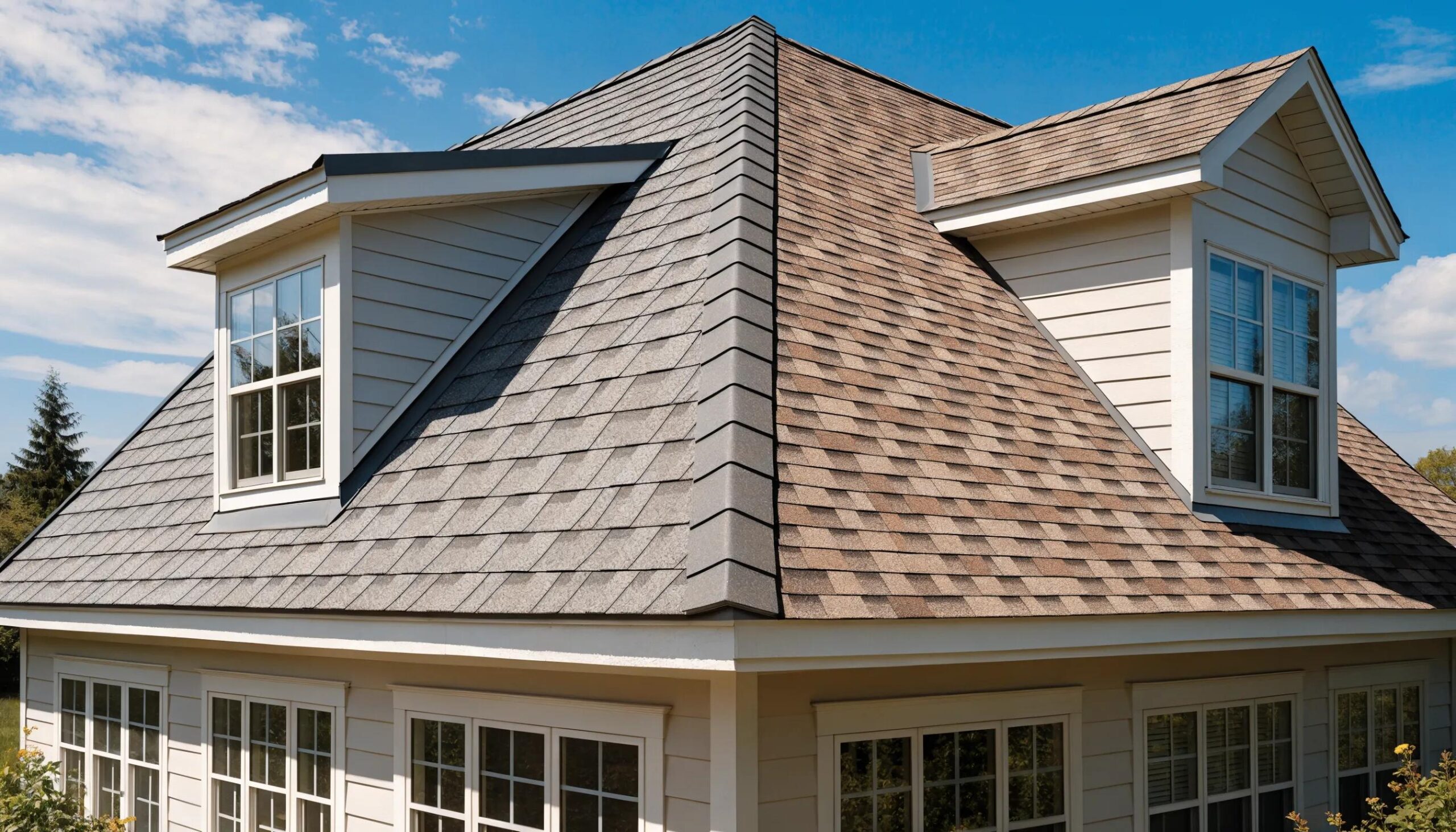
Choosing the right roofing material affects both the strength and curb appeal of your home. Many homeowners weigh the benefits of metal against those of asphalt shingles and seek clear answers about lifespan, cost, and maintenance. This guide walks you through the practical differences between the two, explains how they perform over time and in various climates, and offers straightforward advice on installation and maintenance, so you can make a confident decision for your roof.
Benefits, Costs, and Durability of Metal and Asphalt Shingles for Roofing
Deciding between metal and asphalt shingles comes down to a few core trade-offs: weather resistance, longevity, and upfront cost. Metal roofs are known for standing up to harsh conditions and lasting far longer, while asphalt shingles are generally less expensive up front and offer more style options.
With proper care, metal roofing can last 40–70 years, making it a long-term investment despite higher installation costs. Asphalt shingles typically last 15–30 years and remain popular because they come in many colors and profiles to match home styles. Evaluating both performance and price helps homeowners match their budget and design goals to the right material.
Certa Roofing installs and maintains both metal and asphalt systems, focusing on experienced workmanship that preserves a roof’s performance and extends its service life.
What Are the Key Differences Between Metal and Asphalt Shingles?
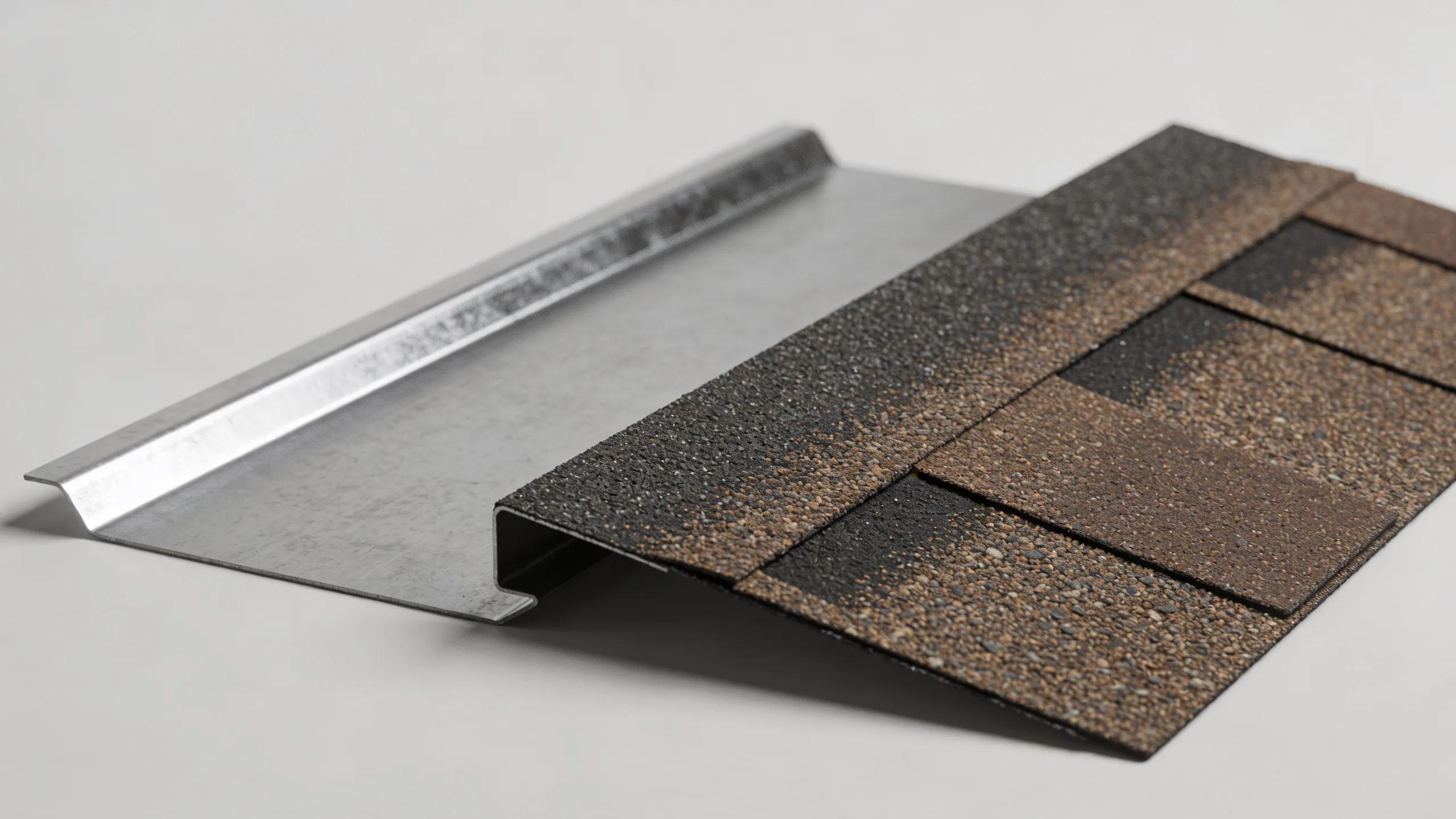
Understanding the main differences helps you predict how a roof will behave over time — from weather resistance to maintenance needs and visual character.
How Do Metal Shingles Compare in Durability and Lifespan?
Metal shingles are built tough and resist many common forms of roof damage. They hold up well in high winds, heavy snow, and driving rain without warping or cracking, which is why they’re often chosen in areas with extreme weather.
The longevity of metal roofing — often 40 years or more with routine care — can make it a smart choice when you compare total cost of ownership. You’ll pay more initially, but fewer replacements and lower long-term repair needs can add up to real savings.
What Are Asphalt Shingle Characteristics and Maintenance Requirements?
Asphalt shingles are popular because they’re affordable and easy to install in a wide range of styles and colors. That versatility makes them a common choice for many homeowners.
They do require regular maintenance to reach their expected lifespan. Routine inspections, keeping gutters clear, and removing moss or algae growth will help prevent premature deterioration. Without consistent care, an asphalt roof may need replacement earlier than planned.
How Do Cost and Energy Efficiency Vary Between Metal and Asphalt Roofing?
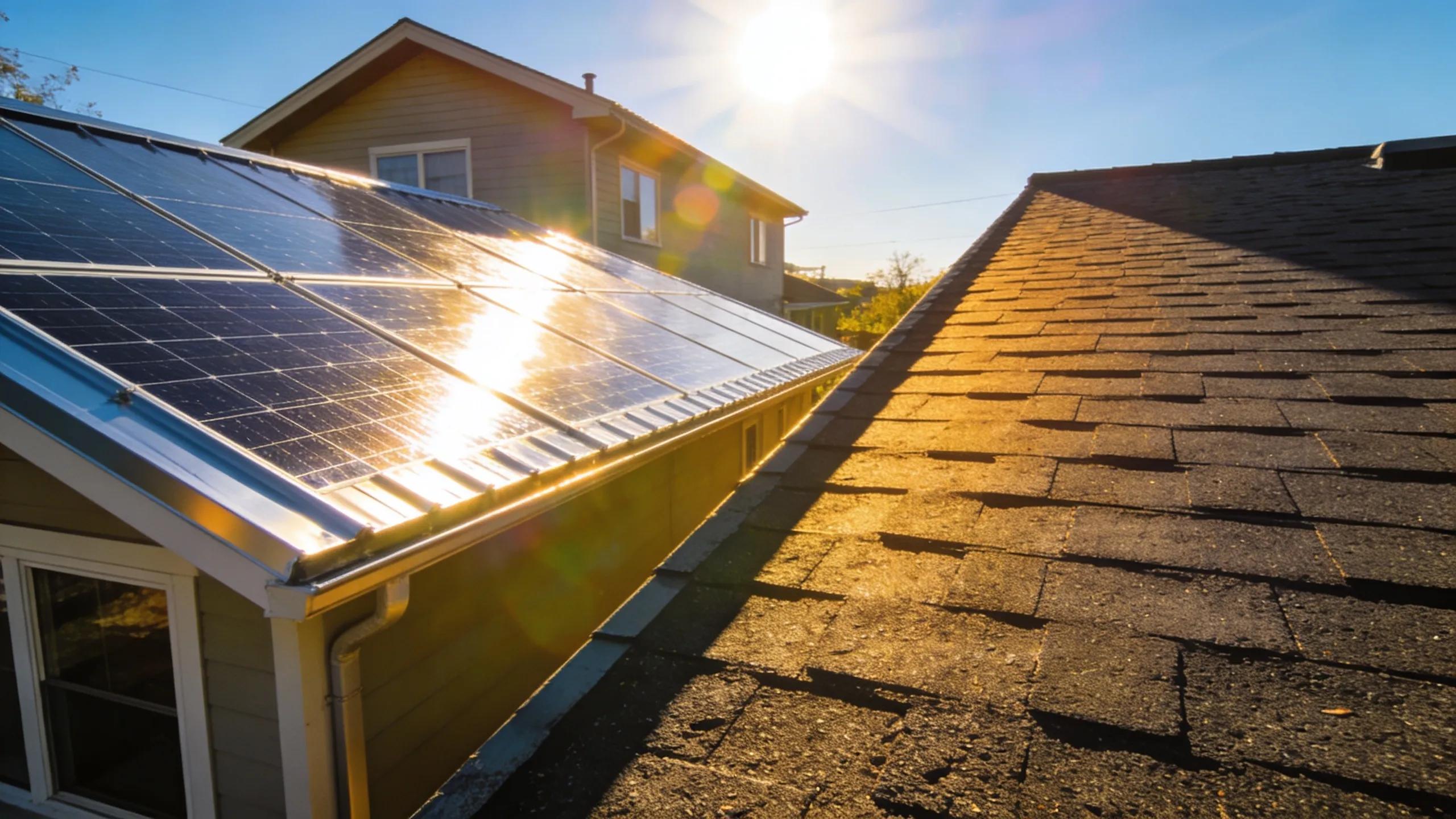
Material choice affects both your immediate budget and ongoing energy bills.
Metal roofing usually costs more up front — roughly $100 to $950 per square depending on material and style — but it reflects solar heat and can lower summer cooling costs. That energy performance can offset part of the initial investment over time.
Asphalt shingles are less expensive initially, but they tend to absorb more heat, which can increase cooling demands in hot weather. Consider both the installation price and potential energy savings when comparing options.
What Is the Initial and Long-Term Cost Comparison of Metal and Asphalt Shingles?
Compare short-term expenses and long-term financial impact when choosing between metal and asphalt roofs.
| Material | Initial Cost Range | Lifespan | Maintenance Costs | Energy Efficiency |
|---|---|---|---|---|
| Metal Shingles | $100 – $950 per sq. | 40-70 years | Low | High |
| Asphalt Shingles | $90 – $150 per sq. | 15-30 years | Moderate | Moderate to Low |
This table shows that, while metal shingles usually cost more to install, their durability and energy performance often make them a strong financial choice over the life of the roof.
How Does Each Roofing Material Support Energy Efficiency and Weather Resistance in Michigan?
Michigan’s weather — with heavy snow, ice, and temperature swings — has a big impact on roof performance. Metal roofing performs especially well here because it sheds snow and resists moisture and wind, helping protect your home through harsh winters.
Asphalt shingles can work in Michigan, too, but they need proper installation, ventilation, and regular upkeep to handle the seasonal extremes. Make sure ventilation and flashing are done correctly to avoid issues tied to freeze–thaw cycles and ice dams.
Storms and sudden leaks don’t wait for a scheduled inspection, so knowing how to react fast matters. Our guide on Emergency Commercial Roof Repair: Practical Guidance for Leaks and Storm Damage walks you through the essential steps.
What Are the Best Installation Practices for Metal and Asphalt Shingles?
Correct installation is one of the most important factors in how long any roof will last.
- Hire Professional Installers: A qualified, licensed crew ensures work meets local codes and manufacturer requirements.
- Use Quality Materials: Choose high-grade shingles and accessories to improve durability and performance.
- Ensure Adequate Ventilation: Proper airflow prevents moisture buildup and helps shingles age as intended.
Scheduling installation during dry, mild weather also helps achieve a better result.
How Should Homeowners Approach Maintenance and Inspection for Metal and Asphalt Roofs?
Routine maintenance and twice-yearly inspections — typically in spring and fall — help catch small issues before they become costly repairs.
Which Maintenance Steps Prevent Premature Roof Failure?
Follow these straightforward steps to keep a roof functioning well:
- Clear Debris: Keep gutters and roof surfaces free of leaves and other debris.
- Inspect Flashing: Confirm that flashing around penetrations and edges is secure and watertight.
- Address Damage Promptly: Fix loose or damaged shingles right away to prevent leaks.
What Are Early Signs of Roof Damage for Timely Repairs?
Watch for these warning signs so you can act quickly:
- Missing or loose shingles
- Dark streaks or spots on the roof surface
- Water stains or active leaks inside the home
- Areas of sagging or noticeable structural change
Being proactive about repairs helps preserve the roof’s integrity and extend its useful life.
How Do Roofing Material Choices Differ by Property Type and Michigan Climate Conditions?
Choice of roofing should match both the building type and local climate. Metal roofs are common on commercial buildings for their long life and low maintenance, but they’re increasingly popular on houses for their modern look and sustainability benefits.
In Michigan, metal roofing often provides advantages in durability and energy performance. Asphalt shingles remain a solid option for many residential properties, especially where budget and aesthetic variety are top priorities — provided they’re installed and ventilated correctly.
When Is Roof Replacement Necessary and How Does Certa Roofing Support This Process?
Replacement is typically needed after extensive storm damage, when materials have aged beyond their useful life, or when recurring leaks and repairs indicate underlying failure.
Certa Roofing helps homeowners assess roof condition and choose the best path forward. We provide inspections, material recommendations, and clear guidance so you understand the options and costs involved. Learn more about our approach to roof replacement on our dedicated page.
How Does Certa Roofing Ensure Quality and Customer Satisfaction in Replacement Services?
We focus on clear communication and quality control throughout every project so clients know what to expect and why each step matters.
Customer feedback and warranty practices are part of our continuous improvement process, and we aim to leave every homeowner with a durable roof and a straightforward experience from estimate to completion.