
Signs Your Michigan Home Needs Roof Replacement Before Winter Hits
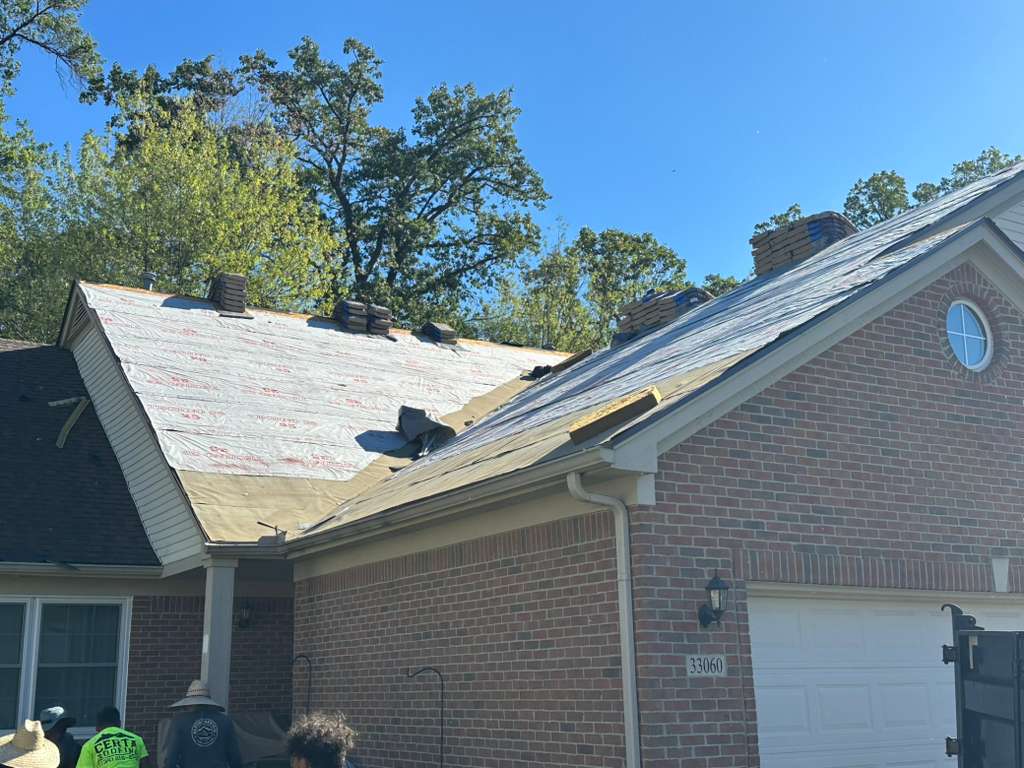
As winter approaches, it’s important for homeowners in Michigan to start preparing their properties for the colder months ahead. One of the key areas to focus on is the roof. The state is known for its harsh winters, with heavy snow and icy conditions that can put significant stress on roofing structures. It’s crucial to ensure that your roof is in top shape before the first snowflake falls. A well-maintained roof can protect your home from leaks, structural damage, and costly repairs.
When a roof shows signs of wear and tear, it’s a signal that it might not hold up against the heavy demands of winter. Identifying these signs early on can make the difference between minor maintenance and major replacement. Whether it’s because of age or visible damage, knowing when your roof might need some attention can save you from a chilly, inconvenient breakdown in the middle of winter.
Signs Your Michigan Home Needs Roof Replacement Before Winter
Leaks and Water Damage
The first hint that your roof might be crying out for help is the presence of leaks. Water stains on your ceilings or walls are like blinking red lights telling you there’s a problem up above. These stains often start small but can grow into big, unsightly patches if ignored. Another telltale sign is the presence of mold or mildew in your attic. These fungi thrive in damp, dark places, and if they’re making a home in your attic, your roof is likely letting water in where it shouldn’t.
Missing or Damaged Shingles
Take a stroll around your house or give your roof a glance from the street. Do you notice shingles that are cracked, curling, or missing? These are signs that your roof’s protective layer is weakening. Shingles act like small shields, and they need to be intact to protect your home. You might also notice granules from shingles collecting in your gutters. Those granules provide the shingles with durability, so their absence is something to take seriously.
Sagging Roof Deck
A sagging roof deck might not jump out right away, but it’s worth looking carefully at your roofline. If the surface seems uneven or you spot dips and waves, those are signs that the underlying structure may not be as sound as it should be. A level roofline usually points to good structural integrity, while sagging sections could mean moisture damage or weakened support beams.
These issues tend to get worse in winter. Spotting them now gives you time to take action before Michigan snow starts weighing things down even more.
Increased Energy Bills
If you’ve noticed an uptick in your heating bills, don’t be too quick to blame your HVAC system. An old or damaged roof could be causing warm air to leak out and cold air to seep in. Michigan winters are no joke, and your furnace ends up working harder when your roof isn’t doing its job. You may not be able to see the damage from inside, but your utility bill might be pointing straight at it.
Poor insulation from a worn-out roof lets conditioned air escape through the attic. When heat loss increases during winter, so does energy use. If your home doesn’t feel as warm as usual or your HVAC seems to run nonstop, your roof might be contributing to the problem.
Age of Your Roof
Even if your roof looks solid at a glance, age matters. Most asphalt shingle roofs last about 20 years. After that, materials start breaking down and performance suffers. Shingles lose their grip. Sealants wear out. And the roof’s ability to handle snow or rain drops off fast. Flat roofs may follow a slightly different timeline, but the core idea is the same—materials wear out.
Not sure when your roof was installed? Now’s a good time to check. If it’s been two decades or more, you should consider a full inspection. Like any major part of your home, a roof has a shelf life. And waiting too long to act can make future problems more complicated and expensive.
Why Winter Is a Smart Deadline for Roof Replacement
Delaying roof replacement increases the risk of winter surprises. Once the snow starts collecting, weak areas are more likely to sag or leak under pressure. Add in freeze-thaw cycles and the potential for ice dams, and you’re setting the stage for costly repairs.
Replacing a roof before winter helps:
– Prevent emergency leaks during freezing conditions
– Improve your home’s insulation and cut heating costs
– Avoid mold and moisture damage from meltwater
– Give roofing crews time to work safely without snow or ice
Getting the work done before the first big snow keeps your home better protected all season long.
What to Expect During a Roof Replacement
Homeowners often have questions about what a re-roofing project involves. It starts with a thorough evaluation, where experts check the state of your current roof and recommend a plan.
Once work begins, here’s what you can typically expect:
– Old materials are removed and the deck is inspected
– Repairs are made if needed before installation
– The new roof is installed using quality materials and proper sealing
– Cleanup is done once the job is complete
The detail and time involved depend on things like the size and type of roof and that week’s forecast. Work can usually be completed in a few days, but unpredictable fall weather may impact the timeline.
Preparation on your part may include moving outdoor furniture or trimming branches close to the roof. Talk with your contractor about how to make things easier and safer.
Preparing Your Home for Winter After Roof Replacement
A new roof is a huge upgrade, but there are a few additional steps that make winter prep even more effective.
1. Clean and inspect your gutters. Water from melting snow needs to drain away quickly. If your gutters are clogged or damaged, you increase your chances of water backing up or freezing along the edge of the roof.
2. Check your attic for proper ventilation. Good airflow helps regulate temperatures and prevent moisture buildup, which is key to avoiding ice dams.
3. Stay on top of maintenance. Set reminders for visual inspections after major storms and trim branches that could drop debris onto the roof.
Your roof and your home’s heating system work together. Keeping both in top shape means better efficiency and fewer repair bills in the long run.
Ready Your Home for Winter with a New Roof
When winter hits Michigan, it hits hard. Taking the time during fall to address your roof can make all the difference once the snow starts to fall. Whether you’re dealing with stained ceilings, shedding shingles, or an aging, sagging surface, it’s smarter to act now than to deal with emergency repairs when conditions are rough.
Getting a new roof in place before freezing temperatures settle in gives your home a fresh start with fewer worry points. You’ll have a better-insulated living space, lower heating bills, and fewer chances of leaks or water damage down the road. Investing in roof replacement now pays off not just for this season, but for many winters to come.
Don’t wait until there’s snow leaking into your attic or drafts sneaking through your ceiling—get ahead of the weather by learning more about roof replacement from Certa Roofing and make sure your home is ready to handle everything a Michigan winter throws your way.
