Signs Your Roof Needs Immediate Repair: Leak Detection & Emergency Solutions
Roof problems often start small and stay hidden until they become costly. Spotting the warning signs early lets you act before water, mold, or structural damage spreads. Below, we walk through what to look for, practical ways to find leaks, and immediate steps to protect your home or commercial property.
We’ll call out the most common red flags — from ceiling stains and missing shingles to mold growth — and share emergency fixes you can use until a professional can make permanent repairs. You’ll also find tips specific to Michigan weather and guidance on when to contact experts like Certa Roofing.
Roof Leak Detection Methods
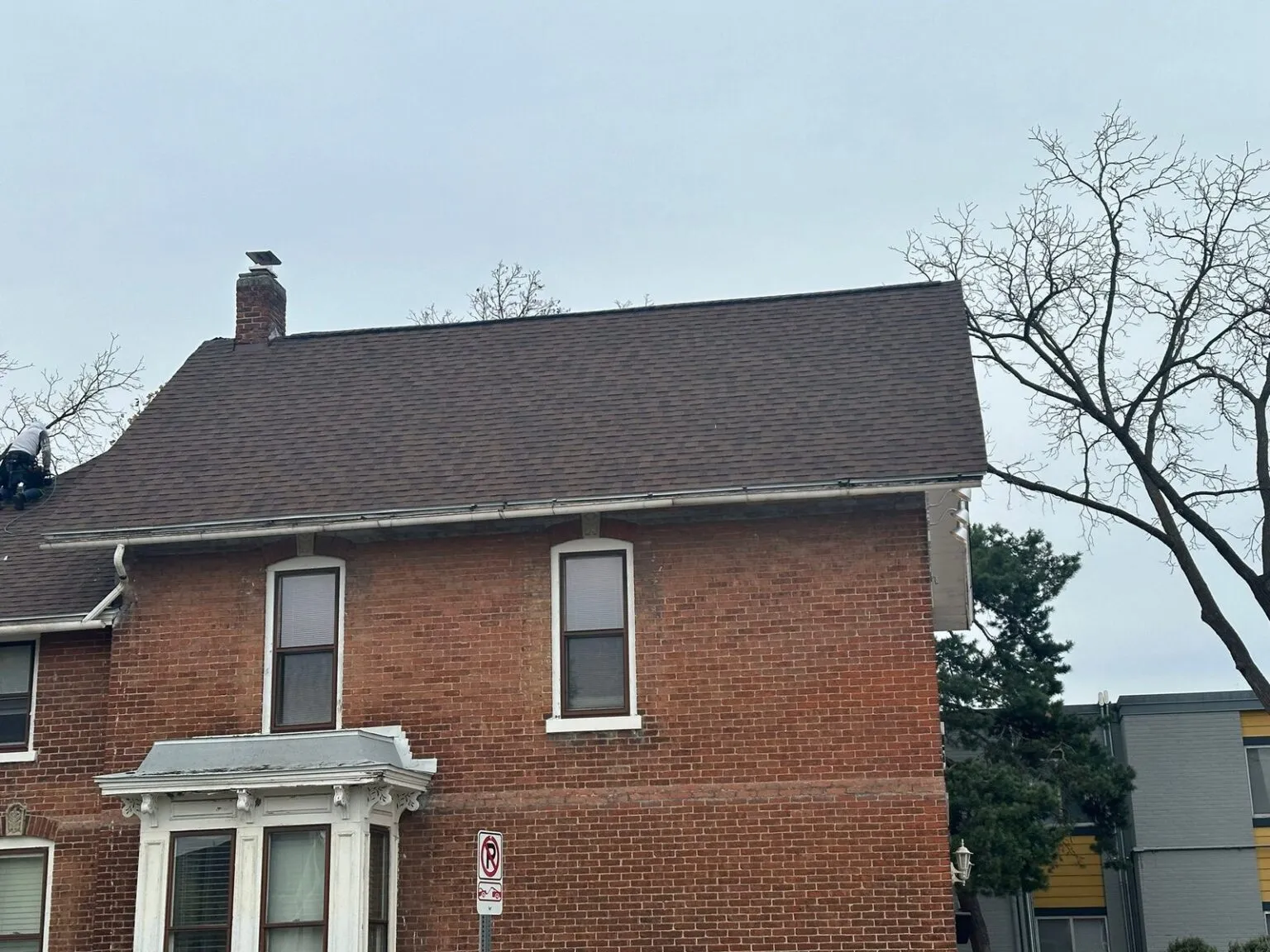
Finding a leak early prevents bigger repairs later. Use these straightforward methods to check your roof before small issues become emergencies.
- Visual Inspection: Walk your roof or view it from a ladder for obvious issues like missing, cracked, or displaced shingles that let water in.
- Check for Damaged Shingles: Watch for curling, cracking, or shingles that look worn — these are common failure points.
- Attic Inspection: Look inside the attic for damp insulation, dark streaks on rafters, or a musty smell that signals moisture intrusion.
- Gutter Inspection: Clean, functioning gutters direct water away. Clogged gutters cause overflow that can back up under shingles.
Making these checks part of regular maintenance helps you catch problems early and avoid costly repairs down the line.
Emergency Solutions
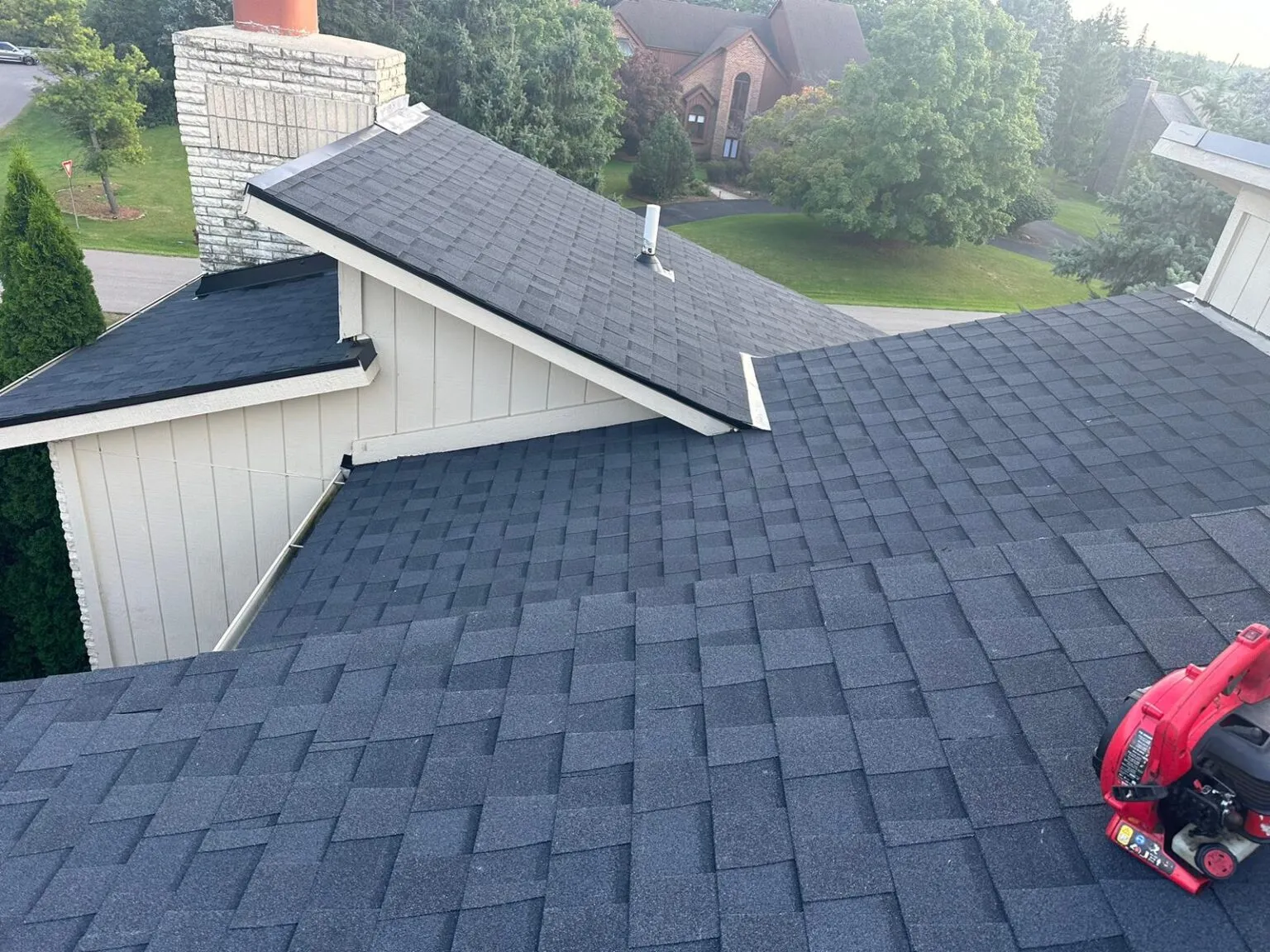
When you find damage, acting fast can limit interior harm. Use these immediate actions to protect your property until a professional can intervene.
- Contain Water: Place buckets where water drips and move valuables out of the affected area.
- Temporary Fixes: Secure tarps over damaged sections or use roofing sealant for small gaps to reduce water entry.
- Document Damage: Photograph all affected areas for insurance claims and to share with your contractor.
- Contact Professionals: Call a licensed roofing contractor like Certa Roofing for a prompt assessment and permanent repairs.
These steps help limit immediate damage and make repairs smoother when the pros arrive.
Significance of Timely Repairs
Quickly addressing roofing issues protects your property and your wallet.
- Prevent Escalation: Small leaks can turn into structural problems or extensive interior damage if left alone.
- Health and Safety: Persistent moisture encourages mold and mildew, which affect indoor air quality and occupant health.
- Cost-Effectiveness: Fixing issues early is far less expensive than full roof replacement down the road.
- Peace of Mind: A secure roof means protection from weather and fewer surprises during storms.
Timely repairs preserve your roof’s lifespan and reduce long-term expenses.
What Are the Most Common Signs Indicating Roof Damage Requires Urgent Repair?
Knowing the urgent warning signs helps you act before a minor issue becomes major. Watch for these clear indicators:
- Visible Damage: Missing, cracked, or heavily worn shingles are immediate concerns that need attention.
- Water Leaks: Stains, bubbling paint, or damp spots on ceilings and walls often point to active leaks.
- Structural Concerns: Any sagging in the roof deck or framing is serious — contact a professional right away.
When you spot these signs, schedule an inspection without delay.
How to Detect Roof Leaks Efficiently Using a Roof Inspection Checklist
A methodical inspection saves time and increases the chance of finding the source of a leak. Use this checklist to stay organized.
- Evaluate Roof Damage and Safety Measures: Confirm it’s safe to inspect the roof; use fall protection and stable ladders.
- Remove Items in the Way: Clear debris like branches and leaves to get an unobstructed view.
- Collect the Water: During rain, note where water flows or pools to trace the leak path.
- Identify the Leak’s Source: Follow stains, seams, and flashing to locate entry points.
- Temporary Fixes: Apply temporary covers or sealant where needed to reduce ongoing damage.
- Document the Damages: Photograph problem areas and make notes for your contractor and insurer.
- Contact a Professional Roofing Contractor: For anything beyond simple temporary fixes, call a licensed roofer to repair correctly.
- Preventive Maintenance: Schedule regular inspections and follow-up work to keep issues from returning.
Working through this checklist helps identify leaks sooner and supports an effective repair plan.
Identifying Visible Damage: Shingle Deterioration and Flashing Issues
Careful visual checks of shingles and flashing are among the best ways to spot developing problems.
Common warning signs include:
- Cracked, Curling, or Missing Shingles: These conditions expose the roof to water and are often the first visible signs of failure.
- Granule Loss: Find granules in gutters or downspouts — this indicates accelerated shingle wear.
- Discoloration: Dark streaks or patches can point to trapped moisture beneath materials.
- Signs of Flashing Issues: Rusted, lifted, or cracked flashing around chimneys, vents, and skylights can let water in.
Addressing these issues promptly extends your roof’s service life and prevents interior damage.
How Does Michigan’s Weather Impact Roof Integrity and Signal Urgent Repair Needs?
Meteorological extremes in Michigan make roofs more vulnerable. Keep these local factors in mind:
- High Winds: Strong gusts can loosen shingles and expose underlayment.
- Heavy Rain: Extended rainfall increases the risk of leaks where weak points exist.
- Hail: Hail can dent shingles or knock off granules, reducing protection.
- Snow Accumulation: Large snow loads and ice dams can cause water to back up under shingles.
- Temperature Fluctuations: Repeated freeze–thaw cycles stress materials and can create cracks.
Regular checks before and after severe weather help you catch damage that Michigan’s climate can cause.
What Storm Damage Features Should Prompt Immediate Roof Repair?
After storms, inspect for damage that requires quick repair to prevent further harm.
- Visible Damage to Shingles: Dents, splits, or missing shingles from storm impact are urgent repair items.
- Signs of Water Infiltration: Interior stains, peeling paint, or wet insulation usually mean active leaks that need fixing.
- Damage Around Flashing and Vents: Check seals at chimneys, vents, and roof valleys — any gap or damage should be repaired promptly.
If you find these signs, arrange a professional assessment as soon as possible.
How Do Roof Replacement Signs Differ Among Residential, Commercial, and Industrial Properties?
Roofing issues show up differently depending on property type and materials used.
- Residential Properties: Look for broad shingle failure, repeated leaks, or major sagging that point to replacement.
- Commercial Properties: Flat roofs often suffer from ponding water which can quickly lead to membrane failure.
- Industrial Properties: Metal roofs and specialized membranes may show corrosion, fastener failure, or large areas of membrane wear.
Understanding the typical failure modes for each property type guides the right corrective action.
What Are the Material-Specific Indicators for Roof Repair?
Different roofing materials show distinct warning signs — knowing them helps target repairs correctly.
- Asphalt Shingles: Look for curled edges, missing granules, and cracked shingles.
- Metal Roofing: Inspect for rust, loose or missing fasteners, and damaged seams.
- Flat Roofing Materials: Blisters, tears, or standing water indicate membrane distress that needs attention.
Spotting these signs early leads to more effective, focused repairs.
When to Consult Professional Emergency Roofing Services for Various Property Types
Certain conditions should prompt an immediate call to a licensed roofer.
- Signs of Leaks: Active leaks during rain or visible interior water damage warrant urgent professional help.
- Visual Damage: Large areas of missing or damaged shingles require a professional assessment.
- Sagging Roof: Any roof deck sagging is a structural red flag — get an expert out right away.
- Mold Growth: Mold indicates prolonged moisture; professionals can identify and remediate causes safely.
- Post-Storm Assessment: After severe weather, a professional evaluation uncovers hidden damage and documents it for insurance.
Calling a reputable service quickly reduces risk and helps restore your roof correctly.
When Should Property Owners Schedule Emergency Roof Repairs to Prevent Structural Damage?
Schedule repairs as soon as any of these signs appear to avoid escalating damage.
- Visible Leaks: If water is entering the building, arrange repairs immediately.
- Mold Growth: Mold in ceilings or walls means moisture has been present long enough to cause health and structural issues.
- Damaged Shingles: Missing or broken shingles should be repaired quickly to prevent water entry.
- Sagging Roof Deck: Structural deformation requires urgent professional intervention.
- Granule Loss: Noticeable granule accumulation in gutters signals shingles nearing the end of their life.
Prompt action preserves structural integrity and keeps repair costs lower.
What Are the Immediate Steps to Take Upon Detecting Roof Damage?
If you find damage, follow these practical steps to limit harm while arranging permanent repairs.
- Evaluate Roof Damage and Safety Measures: Confirm it’s safe to perform any inspection or temporary repair.
- Remove Items in the Way: Clear debris so you can see problem areas and prevent further blockage.
- Collect the Water: Use buckets or move belongings out of harm’s way to protect interiors.
- Identify the Leak’s Source: Trace stains and water paths to help your contractor locate the problem.
- Temporary Fixes: Use tarps, roofing tape, or sealant as short-term protection.
- Document the Damages: Photograph all damage for insurance and repair planning.
- Contact a Professional Roofing Contractor: Reach out to licensed experts for permanent repairs and a full assessment.
These steps help limit damage and speed up recovery with professional support.
Budgeting for a new roof can be tricky with so many factors affecting the final price. Our guide on Understanding the Cost: What to Expect for a Roof Installation or Replacement in Michigan breaks down what influences pricing so you can plan with confidence.
How Do Seamless Gutters and Proper Drainage Affect Emergency Repair Urgency?
Good drainage reduces emergency risks by keeping water away from roofing and siding systems.
Seamless gutters improve flow and reduce leak points. When gutters clog, water can back up under shingles and enter the structure. Maintaining seamless gutters and clear downspouts protects your roof and lowers the chance of urgent repairs.
Which Preventative Maintenance and Inspection Routines Reduce the Risk of Emergency Roof Repairs?
Routine care is the best defense against emergency roofing work. Follow these maintenance practices:
- Regular Inspections: Inspect your roof at least twice a year and after severe weather to catch issues early.
- Gutter Maintenance: Keep gutters and downspouts clear to prevent water backup.
- Shingle Checks: Look for deterioration or damage and address it quickly.
- Ventilation Checks: Ensure attic and roof ventilation is working to avoid moisture buildup and premature material failure.
Consistent maintenance reduces the chance of unexpected emergencies and extends the life of your roof.
What Does a Thorough Roof Inspection Checklist Include for Early Leak Detection?
A full inspection covers interior and exterior elements to find leaks before they worsen.
- Visual Inspection of Roof Surface: Scan the entire roof for visible damage and wear.
- Interior Inspection: Check ceilings, walls, and the attic for signs of water damage.
- Gutter and Drainage Review: Verify gutters and drains are clear and directing water away from the building.
- Structural Evaluation: Assess for sagging, rot, or other structural concerns.
- Ventilation Check: Confirm vents and attic airflow are adequate to prevent moisture buildup.
Using a complete checklist helps detect leaks early and plan effective repairs.
How Does Routine Maintenance Extend Roof Lifespan and Financial Benefits for Michigan Properties
Routine maintenance delivers clear financial and performance benefits, especially in Michigan’s climate.
- Cost Savings: Fixing small problems early prevents expensive replacements later.
- Extended Lifespan: Regular upkeep slows deterioration and adds useful years to your roof.
- Improved Energy Efficiency: A well-maintained roof and ventilation system help control heating and cooling costs.
Keeping up with maintenance lowers long-term expenses and protects your property’s value.
What Are the Advantages of Choosing Professional Roof Inspection and Repair Services in Troy and Surrounding Michigan Areas?
Hiring local professionals like Certa Roofing brings practical advantages you can count on.
- Cost-Effectiveness: Experienced crews diagnose problems quickly and complete repairs correctly, saving you time and money.
- Expertise: Trained technicians understand local weather impacts and roofing materials, so repairs are done right the first time.
- Long-Term Benefits: Professional work improves durability and performance — for materials such as EPDM roofing, correct installation and repair matter.
Choosing seasoned professionals ensures a durable roof that’s prepared for Michigan’s seasons.