Trending Roof Colors for Commercial Buildings in Michigan: Expert Guide to Energy Efficiency and Material Compatibility
For commercial property owners in Michigan, roof colour selection now carries operational as well as aesthetic consequences. Colour influences a building’s appearance and also affects thermal behaviour, energy consumption, and material performance. This guide examines the prevailing roof colours for commercial sites in Michigan, evaluates their benefits, addresses material compatibility, and outlines maintenance practices to preserve performance and appearance. The objective is to enable evidence-based decisions that optimise both visual and functional outcomes.
This guide addresses the most common roof colours for commercial properties in 2026, the influence of colour on energy performance, compatibility between roofing materials and trending colours, maintenance strategies to preserve colour longevity, and indicators for roof replacement. It also describes how professional guidance from Certa Roofing can support optimal colour selection and installation.
What Are the Most Popular Roof Colors for Commercial Buildings in Michigan in 2026?
In 2026, commercial property owners in Michigan have prioritised roof colours that deliver both curb appeal and measurable performance benefits. Choices reflect a balance between contemporary aesthetics and objectives such as reducing solar heat gain and lowering operating costs.
Which Roof Colors Enhance Aesthetic Appeal and Property Value?
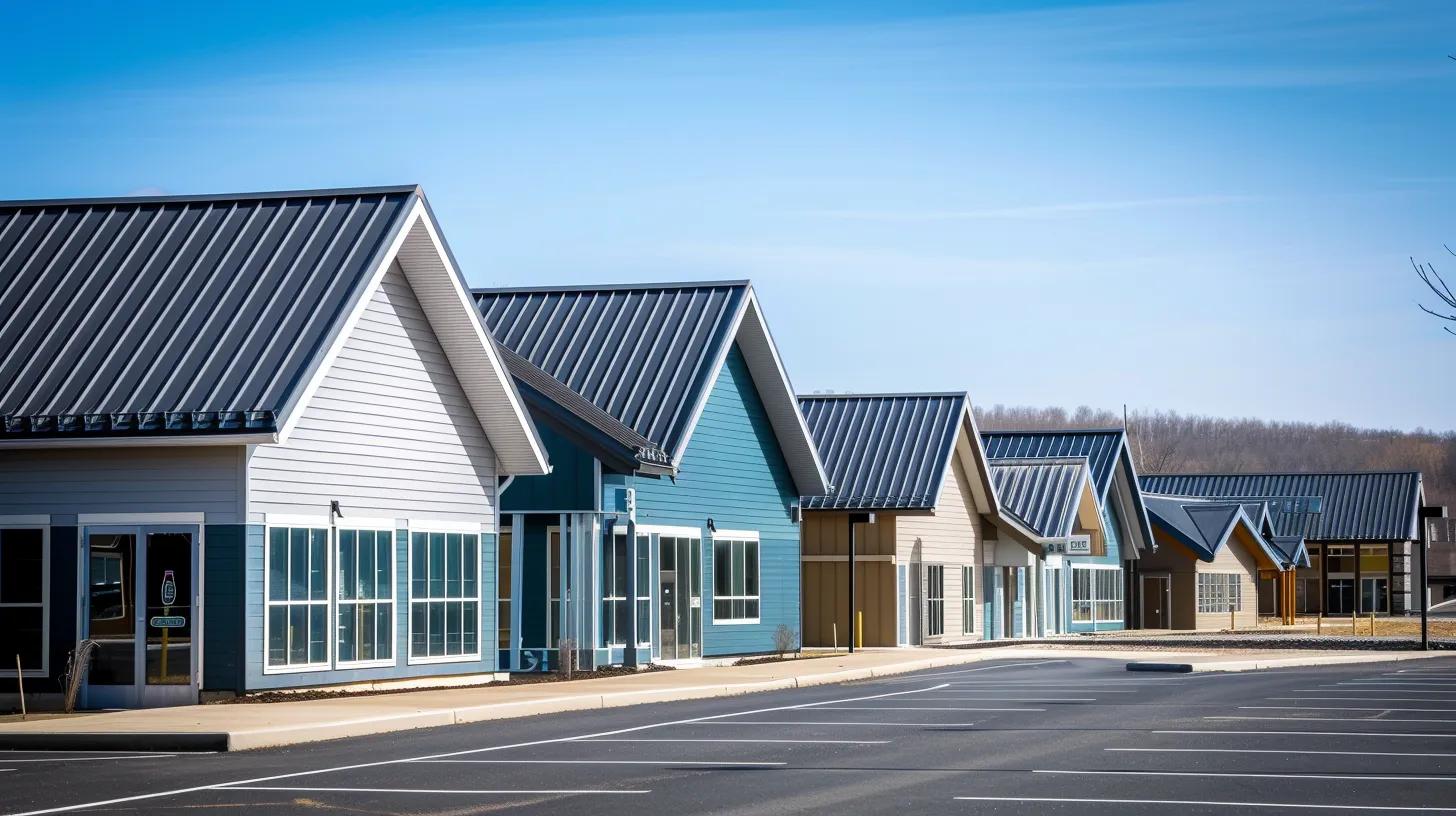
Deep gray, charcoal, and classic black remain prevalent for their modern, refined appearance and strong market appeal. Lighter options, including white and beige, are also widely selected for their reflective qualities that reduce cooling demand. Property owners choose colours to support tenant attraction and long-term asset value.
Recent research documents pigment and coating advances that enable darker colours to retain improved solar reflectivity while maintaining desired aesthetics.
Aesthetic & Energy-Efficient Roof Colors: Pigment Technology
The concept of cool coatings arose because heat absorbing darker colours, which are often preferred for aesthetic reasons, were not energy efficient. The solution was to develop darker colours, but with special pigment that still reflected solar radiation. For aesthetic and energy efficient reasons, these coatings are becoming increasingly popular.
Performance of building roofs on energy efficiency–a review, A Ganguly, 2016
Market data suggest that well-chosen roof colours can enhance curb appeal and contribute to higher property valuations by combining improved aesthetics with operational savings.
How Do Reflective Roof Colors Contribute to Energy Savings?
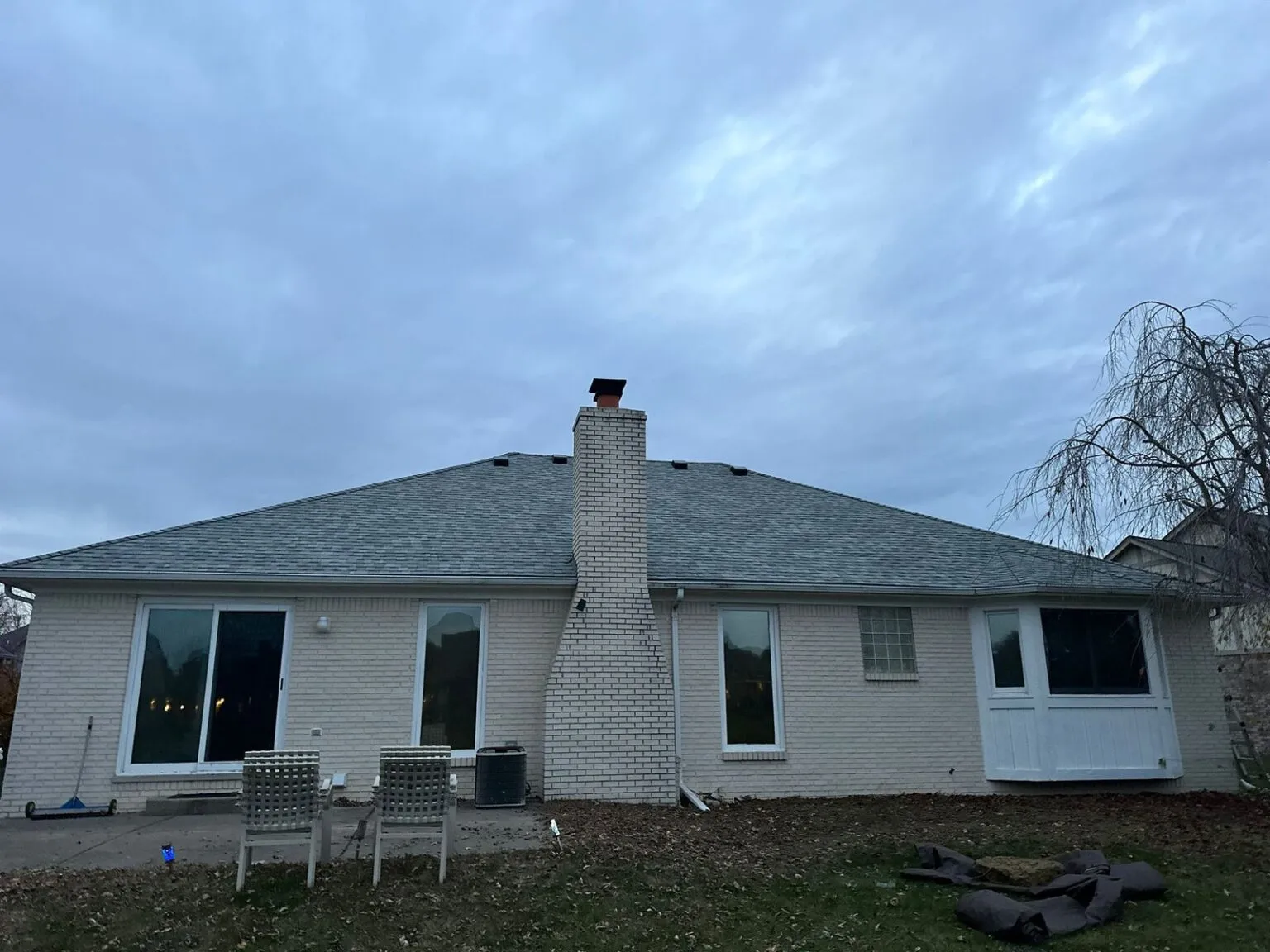
Reflective colours, notably white and light gray, reduce solar heat absorption by reflecting a greater proportion of incident sunlight. In Michigan’s warmer months this effect reduces cooling loads and can lower interior temperatures. Some studies report reflective roof systems lowering indoor temperatures by as much as 20 degrees Fahrenheit, thereby easing demand on HVAC systems.
Quantitative analyses reinforce the energy-saving potential of strategically applied reflective roof surfaces.
Commercial Roof Reflectivity: Cooling & Heating Energy Savings
We make quantitative estimates of the impact of roof reflectivity on cooling and heating energy use for residential and commercial buildings in 11 US climate regions. We compare the annual cooling and heating energy use of buildings with reflective (light in color) and absorptive (dark in color) roofs. Differences of annual cooling and heating energy use are calculated for each building type and climate region. Cooling energy savings potential of reflective roofs for residential and commercial buildings in the United States, 1999
Selecting reflective colours reduces energy consumption and supports sustainability goals by mitigating the urban heat island effect and lowering a building’s operational carbon footprint.
How Does Roof Color Affect Energy Efficiency and Building Performance?
Roof colour directly influences thermal transfer and energy demand. Darker colours increase solar absorption and can raise cooling requirements, while lighter colours reflect solar radiation and help maintain lower roof and interior temperatures.
A comprehensive review examines how commercial roof colour affects heat transfer, energy performance, maintenance requirements, and the cost‑benefit profile of white roofing materials.
Commercial Roof Color, Heat Transfer & Maintenance Review
This review focuses on the effect of roof tile colour on heat conduction transfer through roof tiles, the colour of the roofing membrane in commercial buildings, and the energy performance cost-benefit, maintenance, and consumer indifference of white roofing materials. Review of white roofing materials and emerging economies with focus on energy performance cost-benefit, maintenance, and consumer indifference, W Maref, 2021
What Are the Best Roof Colors for Reducing Cooling Costs in Michigan?
For Michigan commercial properties, the most effective colours for reducing cooling costs are:
- White: Offers maximum reflectivity, significantly lowering heat absorption.
- Light Gray: Provides a balance between aesthetics and energy efficiency.
- Beige: A neutral option that reflects heat while maintaining a classic look.
These colours reduce thermal cycling of roofing components, which helps limit material fatigue and extends service life.
To learn more about our company and our commitment to quality, visit our about us page. Certa Roofing specialises in advising property owners on roof colours that align with energy objectives and design requirements.
How Does Roof Color Reflectivity Impact Energy Efficiency Ratings?
Reflectivity is a primary factor in energy performance assessments. Lighter colours typically achieve higher solar reflectance values, which can improve building energy ratings and support certification targets such as LEED.
Evaluating reflectivity metrics enables property owners to align roof colour selection with sustainability and compliance objectives.
Which Commercial Roofing Materials Are Compatible with Trending Roof Colors?
Colour selection must account for the characteristics of the chosen roofing material. Material‑colour interactions influence thermal behaviour, adhesion of coatings, and long‑term appearance.
Why Is EPDM Roofing Suitable for Michigan’s Climate?
EPDM (Ethylene Propylene Diene Monomer) roofing is widely used in Michigan for its durability and resistance to weathering. EPDM is available in both black and white formulations, providing flexibility for performance‑based colour choices. Its resilience in freeze–thaw conditions and insulating properties support energy efficiency.
What Are Color Options for Commercial Roofing Materials in Michigan?
Common material and colour pairings in Michigan include:
- Black EPDM: Provides a classic look and excellent durability.
- White TPO: Known for its reflective properties, ideal for energy savings.
- Metal Roofing: Available in various colours, including gray, blue, and green, offering both aesthetic appeal and longevity.
These selections enable owners to meet branding objectives while ensuring material compatibility and desired thermal performance.
What Roof Maintenance Practices Preserve Color Longevity and Roof Integrity?
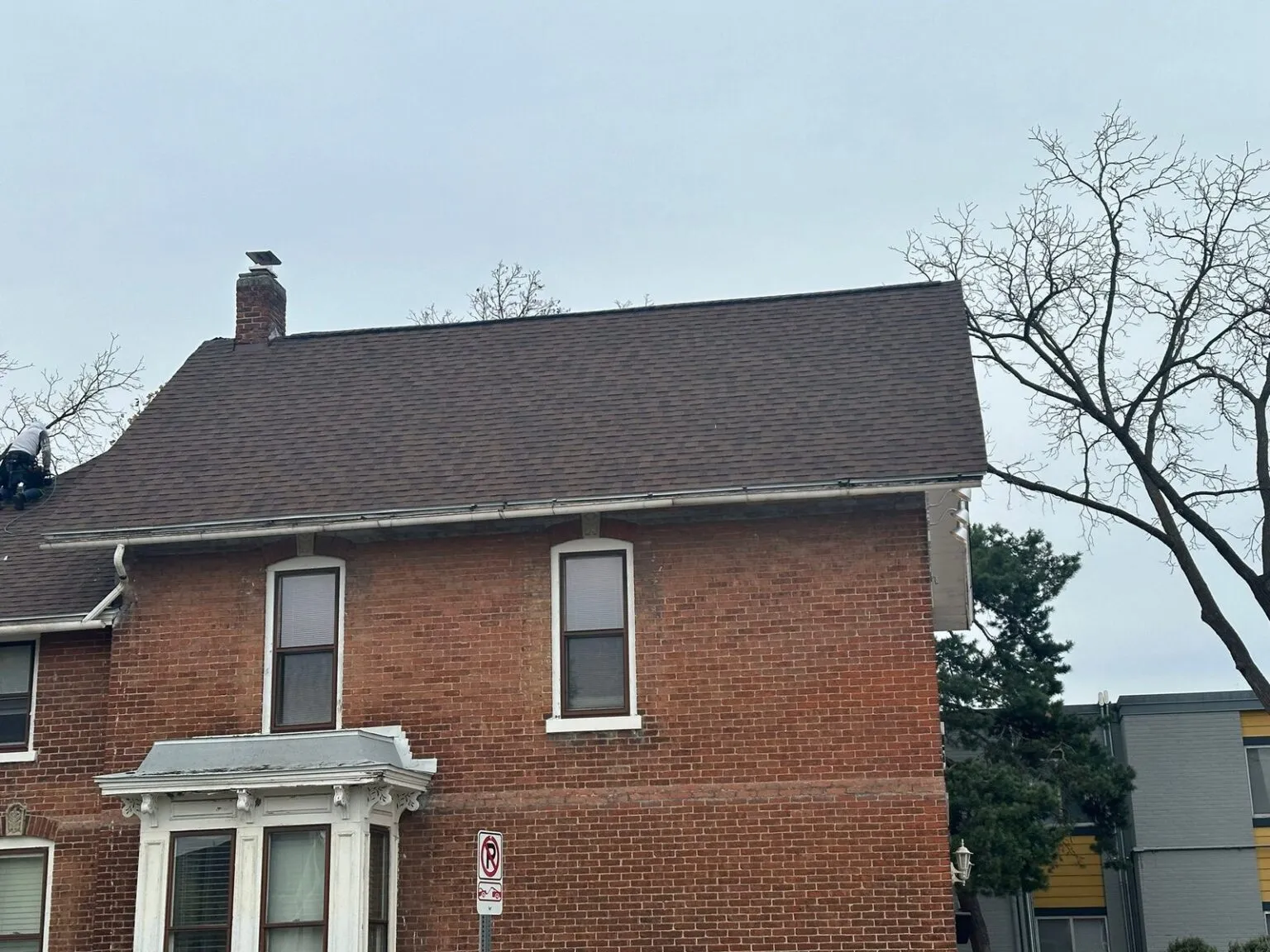
Proactive maintenance preserves both the appearance and functional performance of a commercial roof. Scheduled servicing reduces the risk of premature deterioration and helps maintain energy performance associated with the selected colour.
How Often Should Commercial Roofs Be Inspected and Maintained?
Commercial roofs should receive formal inspections at least twice per year, typically in spring and autumn. Inspections identify leaks, membrane damage, and signs of colour degradation. Additional inspections are advisable after severe weather events.
What Maintenance Tips Help Prevent Weather Damage and Color Fading?
To mitigate weather damage and preserve colour, implement the following measures:
- Regular Cleaning: Remove debris and dirt to prevent discolouration.
- Prompt Repairs: Repair damage promptly to limit escalation.
- Protective Coatings: Apply reflective or restorative coatings to enhance longevity and thermal performance.
Consistent application of these practices extends service life, reduces lifecycle costs, and maintains the roof’s visual and thermal properties.
Winter weather puts extra strain on your home’s drainage system, making gutter performance more important than ever. Our guide on How Seamless Gutter Installation Helps During Troy’s Winter explains why seamless gutters are a smart choice for the colder months.
When Should Commercial Property Owners Consider Roof Replacement and Color Updates?
Timely decisions on roof replacement and colour updates protect asset value and ensure building performance objectives are met.
What Are the Signs Indicating Roof Replacement Is Necessary?
Signs that indicate a roof replacement may be necessary include:
- Visible Damage: Cracks, blisters, or significant wear.
- Leaks: Water stains on ceilings or walls.
- Age: Roofs older than 20 years may require replacement.
Addressing these indicators promptly reduces the likelihood of structural damage and limits long‑term repair expenditures.
How to Choose the Right Roof Color During Replacement for Maximum Benefits?
When selecting a roof colour for replacement, consider the following criteria:
- Energy Efficiency: Choose lighter colours for improved reflectivity.
- Aesthetic Appeal: Select colours that complement the building’s architectural design.
- Material Compatibility: Confirm the colour performs well with the selected roofing system.
Certa Roofing provides technical guidance to help owners select colours that maximise operational savings and aesthetic return on investment.
How Can Professional Guidance from Certa Roofing Optimize Roof Color Selection and Installation?
Professional consultation ensures colour selection aligns with climate conditions, material properties, and long‑term cost objectives. Certa Roofing offers technical assessments to optimise both performance and appearance.
What Are the Advantages of Choosing Certa Roofing for Commercial Roof Color Solutions?
Choosing Certa Roofing for commercial roof colour solutions provides several advantages:
- Expert Recommendations: Benefit from professional advice tailored to Michigan’s climate.
- Quality Materials: Access to high-quality roofing materials that ensure durability and performance.
- Comprehensive Services: From selection to installation, Certa Roofing offers a full range of services to meet your roofing needs.
By leveraging Certa Roofing’s expertise, property owners can align roof colour choices with energy targets and long‑term asset preservation strategies.
Frequently Asked Questions
What factors should I consider when choosing a roof color for my commercial building?
Consider energy efficiency, aesthetic objectives, and material compatibility when selecting a roof colour. Lighter colours typically reduce cooling costs; darker colours may provide a desired appearance but increase thermal load. Also assess how the colour complements the building’s design and local climate effects on material longevity.
How can I determine the energy efficiency of different roof colors?
Assess energy efficiency by reviewing solar reflectance and thermal emittance values for each colour or product. Reflectivity metrics indicate how much solar energy is reflected rather than absorbed. Reference recognised performance standards and consult roofing professionals for product‑specific data and certification guidance.
Are there any specific maintenance practices for reflective roofs?
Reflective roofs require regular cleaning to maintain surface reflectance and periodic inspections to detect damage. Protective or restorative coatings can preserve reflectivity. Promptly repair any defects to maintain both reflectance and watertight integrity.
What are the long-term benefits of choosing energy-efficient roof colors?
Energy‑efficient roof colours yield lower cooling expenses, improved occupant comfort, and potential increases in property value. Over time, reduced thermal stress can decrease maintenance frequency and extend the useful life of roofing materials, delivering measurable lifecycle cost savings.
How does roof color impact the overall sustainability of a commercial building?
Roof colour affects building energy consumption and related emissions. Lighter, reflective colours reduce cooling energy demand, which supports sustainability targets and may improve building environmental performance ratings. Compatibility with durable materials further enhances long‑term sustainability.
What are the potential drawbacks of darker roof colors in Michigan?
Darker colours absorb more solar heat, which can increase cooling loads and contribute to higher operational costs during warm periods. They may also suffer faster UV‑related degradation and require more frequent maintenance to address discolouration or material wear. Owners should balance aesthetic goals against these performance considerations.
Conclusion
Selecting the appropriate roof colour for commercial buildings in Michigan affects aesthetics, energy performance, and asset longevity. Reflective colours such as white and light gray provide measurable reductions in cooling demand and support sustainability goals, while compatible material choices and regular maintenance ensure durable results. For expert assistance in selecting and installing the optimal roof colour, consult Certa Roofing to align your design objectives with long‑term operational benefits.