Top Roofing Materials for Michigan Homes: Durable Choices and Practical Maintenance Tips
Picking the right roof for a Michigan home matters — the state’s seasonal swings test materials year after year. You’ll want something that stands up to heavy snow, freeze-thaw cycles, and the occasional windstorm while keeping your home comfortable and energy-efficient. This article walks through reliable roofing options, how they perform in Michigan’s cold climate, and straightforward maintenance steps that help protect your investment.
We’ll look at the most practical materials for Michigan homes, including asphalt shingles and metal roofing, compare how they handle tough weather, and share maintenance tips that extend service life. We’ll also cover what to weigh when choosing between roof types and the signs that mean it’s time to replace your roof.
Which Roofing Materials Hold Up Best in Michigan’s Winters?
Michigan’s winters put extra strain on roofs, so durability and resistance to moisture and cold are top priorities. Two common, reliable choices are asphalt shingles and metal roofing — each offers distinct advantages for local conditions.
How Do Asphalt Shingles Handle Michigan Weather?
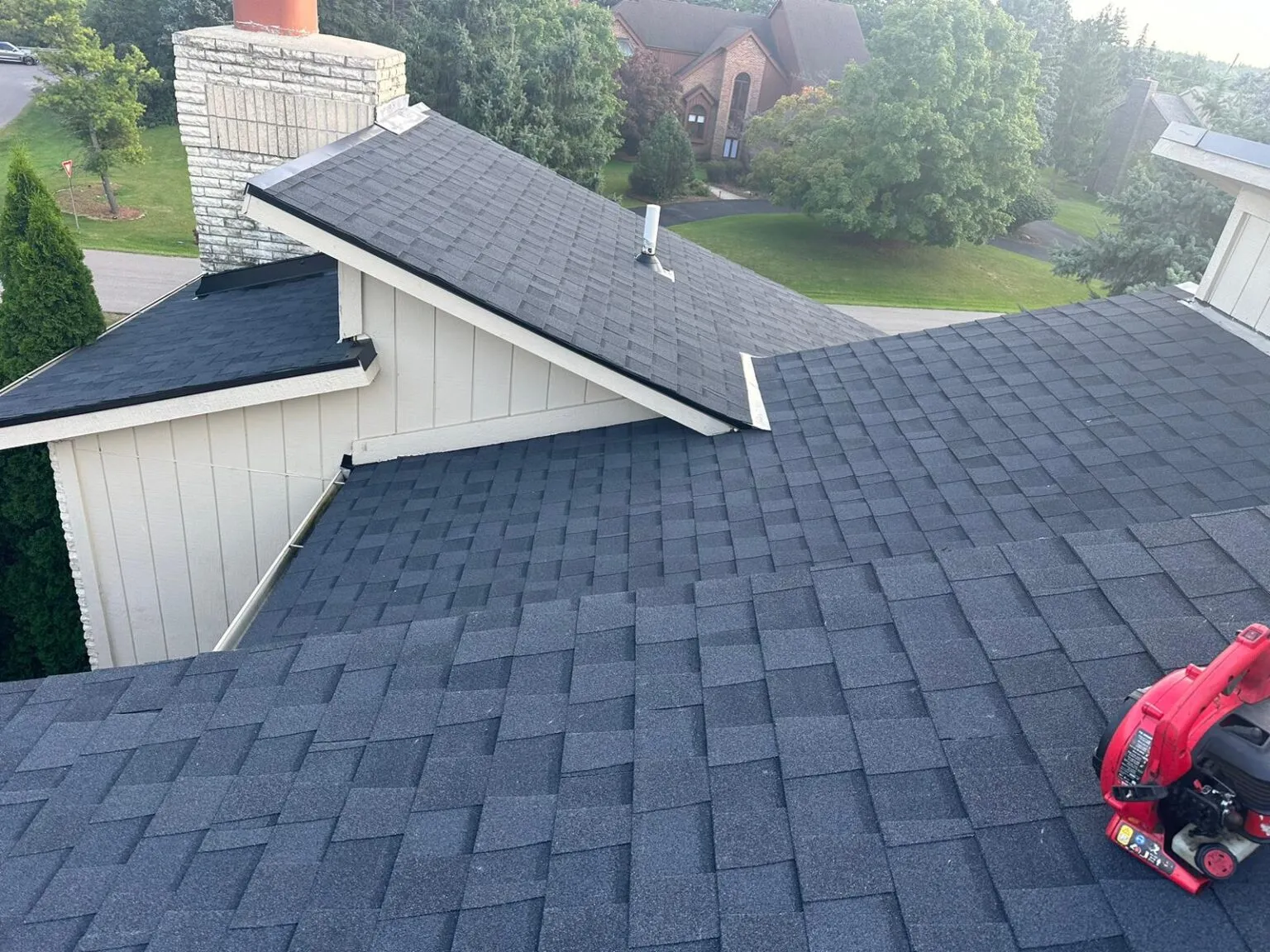
Asphalt shingles are widely chosen in Michigan because they’re affordable, versatile, and proven in cold climates. Quality asphalt shingles resist heavy snow loads and help limit ice-dam issues when paired with proper attic insulation and ventilation. They also seal well against leaks when installed correctly, and their modest maintenance needs make them a practical pick for many homeowners.
That said, extreme temperature swings and moisture can lead to granule loss or curled edges over time. Regular roof checks, especially after major winter storms, help catch wear early. For professional installation and maintenance, Certa Roofing offers experience with asphalt systems tailored to Michigan weather.
What Are the Benefits of Metal Roofing for Michigan Homes?
Metal roofing is prized for longevity and weather resistance — a properly installed metal roof can last 40–50 years or more. Metal sheds snow efficiently, resists high winds, and tolerates ice better than many other materials, making it a strong long-term option for Michigan’s climate.
Metal roofs can also improve energy performance by reflecting sunlight in warmer months. Although the upfront cost is higher than asphalt, lower maintenance and a longer service life often make metal roofs cost-effective over time. If you’re considering metal, partnering with an experienced contractor like Certa Roofing helps ensure the roof performs as expected.
Which Roofing Materials Work Well for Michigan Homes?
Homeowners in Michigan commonly choose asphalt shingles, metal roofing, and, for certain roof types, EPDM. Each material fits different roof designs and budgets while offering varying resistance to winter weather.
When Is EPDM Roofing a Good Choice?
EPDM (ethylene propylene diene monomer) is a durable rubber membrane often used on low-slope and flat roofs. It stands up well to heavy rain and snow, resists UV exposure, and tolerates temperature swings without cracking. EPDM is also relatively cost-effective and straightforward to install, with minimal routine maintenance centered on checking seams and flashings for continued watertightness. For EPDM options, see EPDM roofing services.
Predicting Roofing Membrane Durability and Service Life
Field experience shows roofing membranes perform differently over time, and manufacturers frequently change material formulations. While some newer membranes initially perform well, their long-term durability isn’t always proven. This study aimed to describe membrane performance based on service requirements, identify common degradation factors, and recommend accelerated aging tests to better predict service life. It found current performance tests incomplete and recommended developing predictive tests tied to measured physical and chemical degradation across varying climates. Predictive service life tests for roofing membranes: Phase 1, 1993
Because EPDM is cost-effective and installation-friendly, it’s a reasonable choice for many flat or low-slope residential roofs. Routine checks of seams and edges will keep an EPDM roof watertight for years.
How Should You Choose Between Shingle and Metal Roofing?
Deciding between asphalt shingles and metal roofing comes down to budget, lifespan goals, curb appeal, and energy priorities. Here are the most important factors to weigh:
- Cost: Asphalt shingles typically have a lower initial cost, making them attractive for tighter budgets. Metal roofs cost more up front but can save money over the long term thanks to longevity and lower maintenance.
- Longevity: Metal roofs generally outlast asphalt shingles by decades, reducing the need for replacements and major repairs.
- Aesthetics: Match your choice to your home’s style. Shingles offer classic versatility, while metal panels can give a modern or architectural look in many colors and profiles.
- Energy Performance: Metal reflects heat and can lower summer cooling demand, while shingles typically absorb more heat unless you choose specially coated or lighter-colored products.
Weigh these points against your priorities to find the best fit for your home and budget.
How Can Homeowners Extend Roof Life in Michigan?
Consistent maintenance keeps roofs performing through Michigan’s seasons. The following practices address the most common issues and are easy for homeowners to adopt or schedule with professionals:
- Routine Inspections: Have a professional inspect your roof at least once a year and after major storms so small problems don’t become costly repairs.
- Debris Removal: Keep leaves, branches, and other debris off the roof to prevent trapped moisture and premature deterioration.
- Gutter Care: Clean gutters and downspouts regularly to keep drainage flowing. Consider seamless gutters for fewer clogs and better protection.
What Maintenance Helps Prevent Winter Damage?
Winter brings unique risks — these simple steps help reduce them:
- Snow Management: Remove heavy snow from flat or low-slope roofs when safe to do so to reduce load and avoid ice dams.
- Sealant Checks: Inspect and refresh sealants around vents, chimneys, and flashings to maintain a watertight barrier.
- Insulation and Ventilation: Proper attic insulation and ventilation reduce heat transfer that drives ice dams and help protect roofing materials.
Commercial roofing projects come with their own set of challenges, from material selection to timeline planning. Our guide on Comprehensive Guide to Commercial Roofing Installation in Rochester Hills: What to Expect walks you through what to expect at every stage of the process.
When Should You Schedule Professional Roof Inspections?
Plan inspections at these times to catch trouble early:
- Annually: A yearly check keeps issues from growing unnoticed.
- After Severe Weather: Inspect following heavy rain, snow, or wind to spot damage promptly.
- Before Seasonal Shifts: A pre-winter inspection helps make sure your roof is ready for Michigan’s cold months.
Timely professional checks help you avoid bigger problems and extend your roof’s service life.
What Signs Mean It’s Time for a Roof Replacement?
Knowing when a roof needs replacing protects your home from inside-out damage. Watch for these signals:
- Roof Age: Asphalt shingles usually last 20–30 years; metal roofs can exceed 50 years. If your roof is near the end of its expected life, consider a roof replacement.
- Visible Water Damage: Stains on ceilings or walls often point to active leaks and should be addressed quickly.
- Curling, Cracked, or Missing Shingles: These conditions reduce protection and increase the risk of leaks, signaling the need for repair or replacement.
Addressing these signs early keeps repair costs down and protects your home’s structure.
How Does Storm Damage Affect Roofing Lifespan?
Storms accelerate wear: high winds can lift shingles or damage flashings, and heavy rain can expose weak spots, especially on flat roofs where water can pool. Repeated storm exposure shortens material life and increases repair needs, so prompt assessment after storms is important.
How Can You Detect Leaks Early?
Early detection saves money. Common methods include:
- Visual Checks: Look for water stains on ceilings and inside attic spaces — often the first visible sign of a leak.
- Watch Energy Use: Unexplained spikes in heating or cooling bills can indicate insulation or moisture problems tied to roof issues.
- Moisture Meters: These tools help pinpoint wet spots without invasive work, making targeted repairs easier.
Using these approaches helps you find problems sooner and reduce repair scope.
How Should Weather Drive Your Material Choice in Michigan?
Michigan’s climate — wide temperature swings, high precipitation, and heavy snowfall — should guide your material selection. Consider:
- Thermal Stress: Choose materials that tolerate expansion and contraction to avoid premature fatigue.
- Moisture Resistance: Select materials and details that prevent water intrusion and encourage quick drying.
- Snow Load Capacity: Ensure your roof system and structure can safely support seasonal snow accumulation.
Matching materials and design to local conditions is key to a long-lasting roof.
Why Is Snow Load Resistance Important in Michigan?
Heavy snowfall is common in Michigan, so roofs must carry snow safely. Selecting materials and structural support that resist snow loads reduces the risk of damage and structural stress during winter.
How Does Proper Ventilation Improve Roof Durability?
Good attic ventilation and insulation balance temperature and moisture, which prevents ice dams and reduces material stress from freeze-thaw cycles. Proper ventilation is a low-cost step that delivers big benefits for roof performance in cold climates.