How Often Should You Schedule a Roof Inspection? Practical Guidance for Homes, Businesses, and Industrial Properties
Keeping your roof in good shape is one of the smartest steps you can take to protect a property. Regular inspections catch small problems before they turn into expensive repairs and help extend the life of your roof. This guide breaks down how often you should schedule inspections for different property types — residential, commercial, and industrial — and what factors to consider when planning maintenance.
Read on for recommended inspection intervals, warning signs that call for an immediate check, and practical tips for setting up routine inspections. We’ll also cover how weather, roofing materials, and building use change how often you should inspect your roof so you can make informed maintenance decisions.
Recommended Roof Inspection Frequency by Property Type
How often you inspect a roof depends on the building type and local conditions. Use the guidelines below to help keep your roof performing well and avoid surprises.
How Often Should Residential Roofs Be Inspected in Michigan?
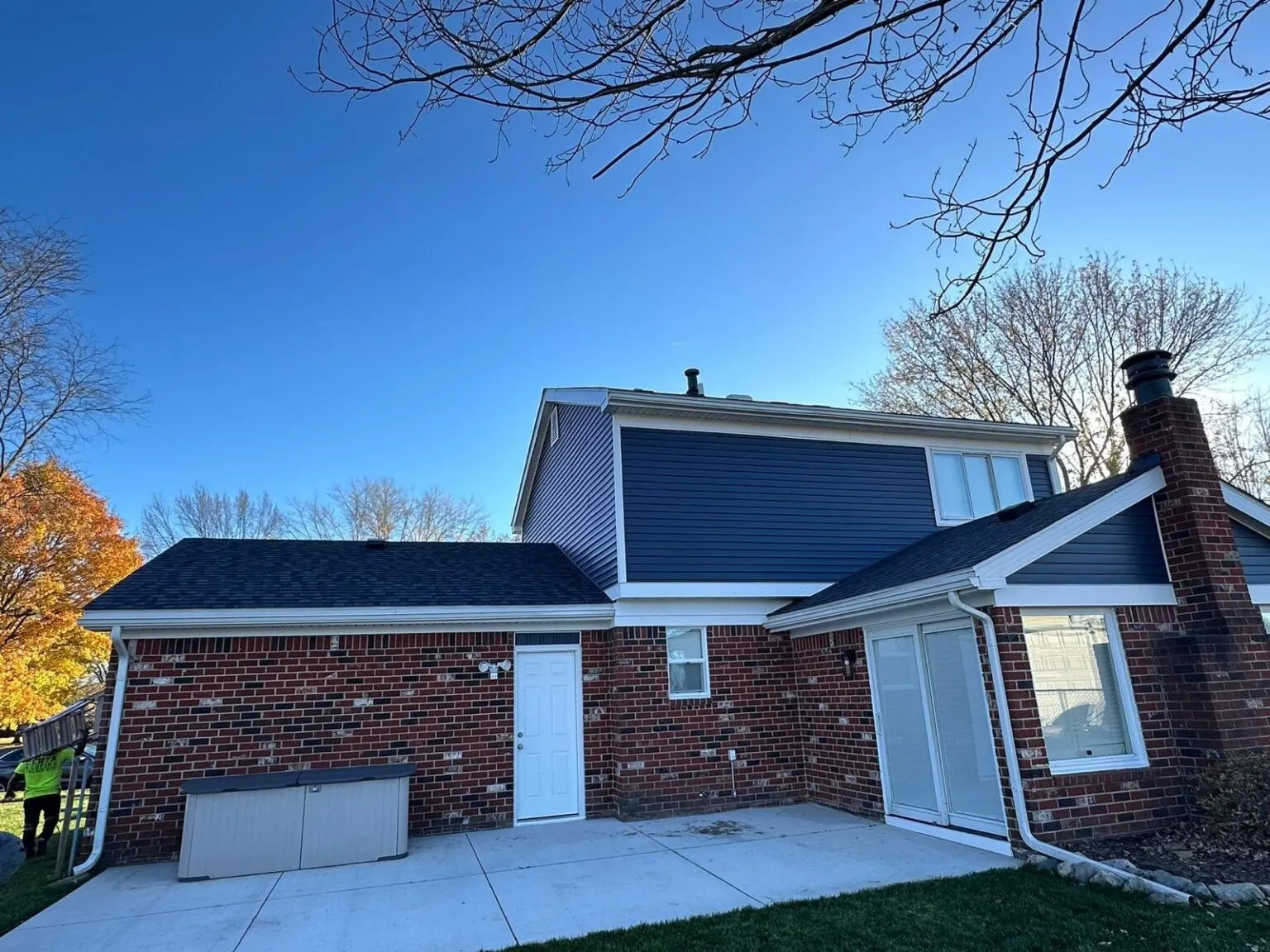
For homes in Michigan, plan on a yearly inspection as a baseline. Additionally, schedule an inspection after major weather events — heavy storms, high winds, or significant snowfall — since those can cause damage that isn’t always visible from the ground. For local support, see local roofing services.
What Are the Inspection Intervals for Commercial and Industrial Roofs?
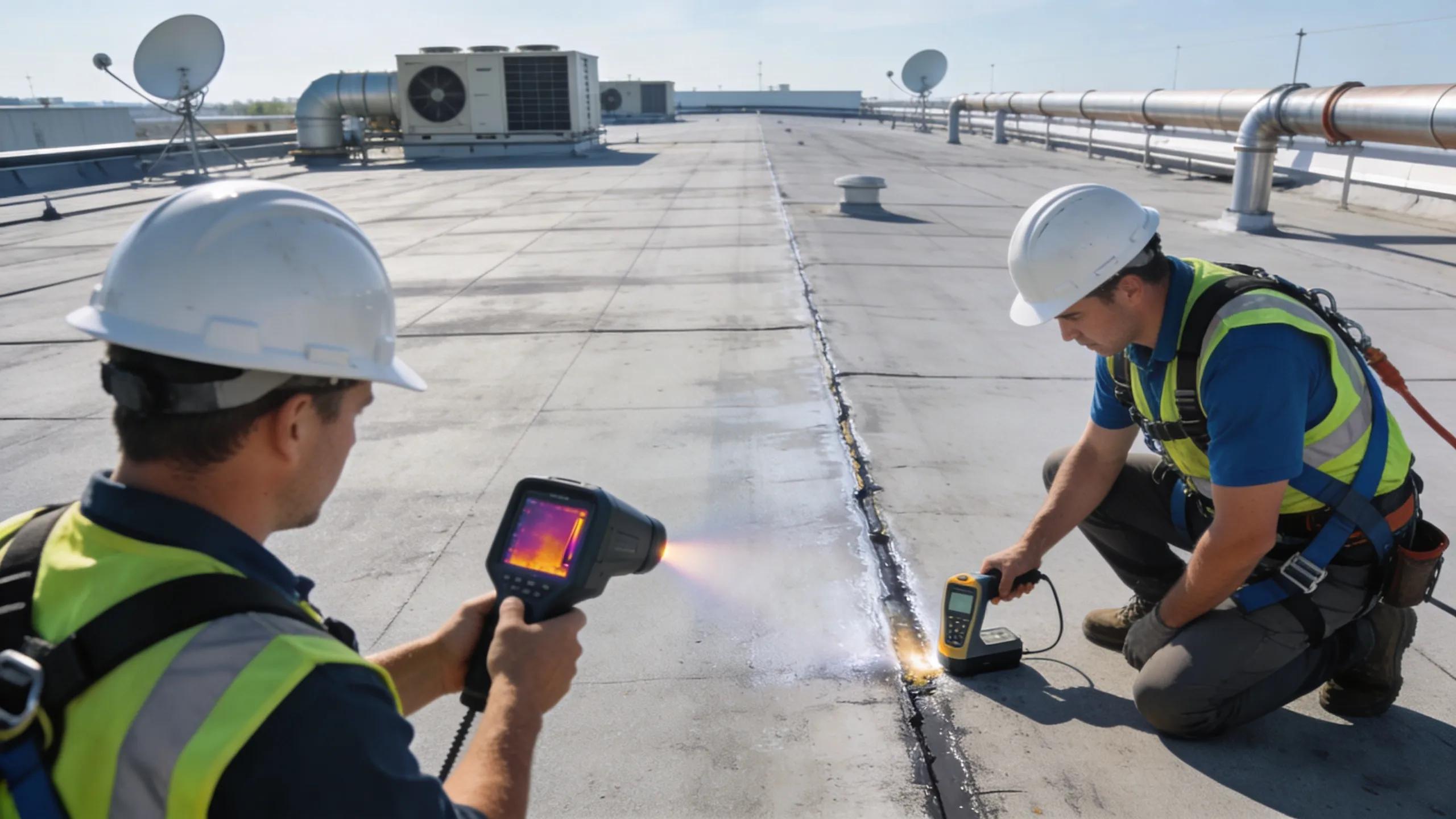
Commercial and industrial roofs should be inspected at least once a year as a minimum. Larger roofs, specialized roofing systems, or roofs with a history of problems may need more frequent checks — especially in regions that see severe weather. Regular inspections also help keep facilities safe and compliant.
Key Signs That Indicate You Need a Roof Inspection
Spotting early warning signs can prevent bigger problems. Look out for these common indicators that warrant a professional inspection:
- Visible leaks: Water stains, dripping, or wet spots on ceilings or walls mean you should inspect the roof right away.
- Sagging areas: Any drooping sections of the roof or ceiling suggest structural concern and need prompt evaluation.
- Damaged shingles: Missing, cracked, or curled shingles expose your roof to further damage and should be examined quickly.
Damage and Leak Signs That Require Immediate Attention
Certain conditions need fast action to prevent further harm to the building:
- Water stains: New discoloration on ceilings or walls usually points to active leaks that need assessment.
- Mold growth: Mold from trapped moisture is a health risk and a sign of ongoing water intrusion.
- Debris build-up: Leaves and debris can block drainage and cause water to pool, creating immediate problems.
How Storms Affect When You Should Inspect Your Roof
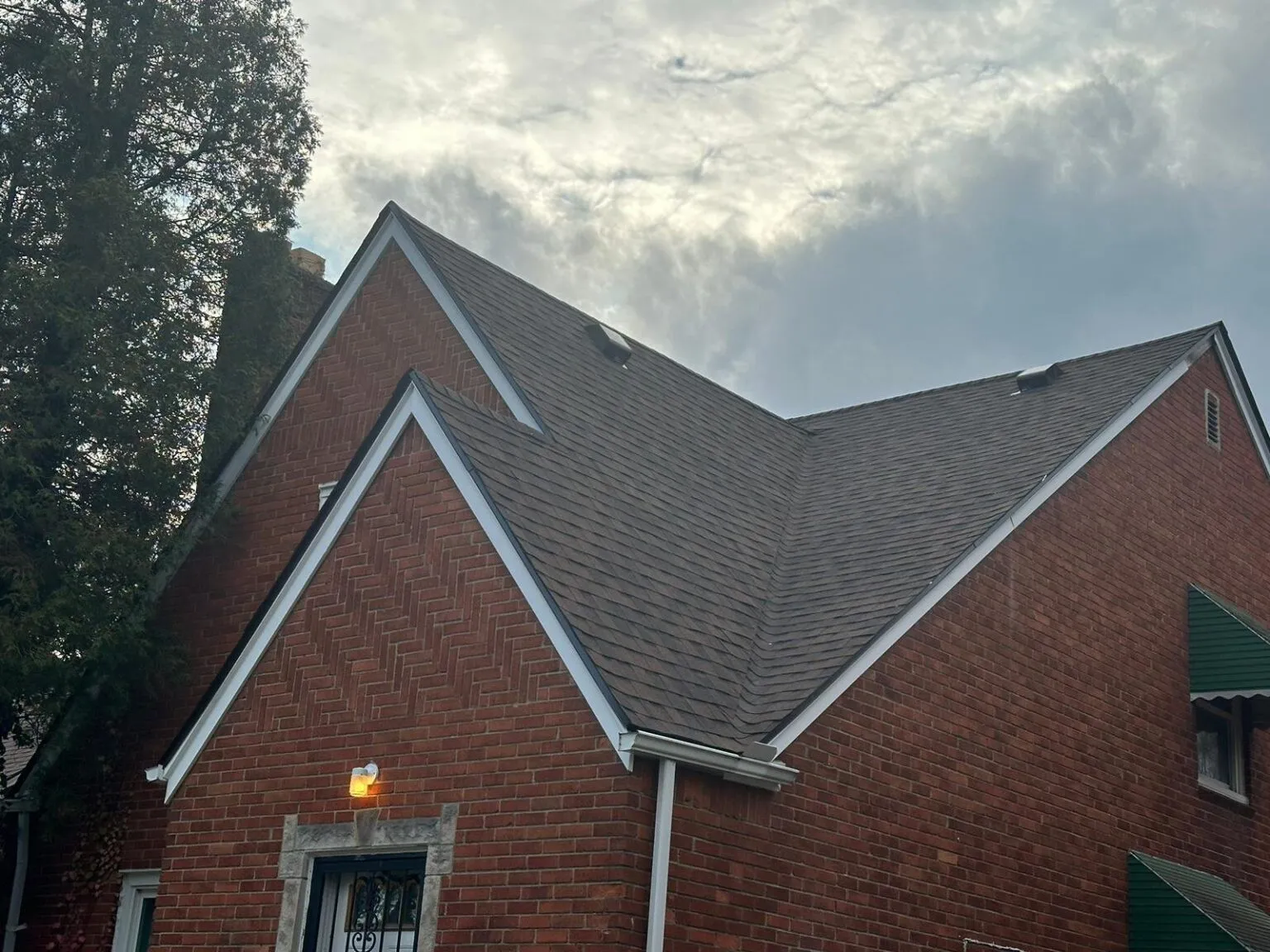
Storms — wind, hail, heavy rain, and snow — can cause damage that isn’t always obvious at first glance. After severe weather, schedule a thorough inspection to identify issues such as loosened shingles, punctures, or hidden leaks that could worsen over time.
How to Schedule and Prepare for Regular Roof Maintenance Inspections
Taking a proactive approach to inspections makes maintenance easier and less costly. These simple steps will help you stay on top of roof care:
- Set annual reminders: Put inspection dates on your calendar each year so they don’t get missed.
- Create documentation: Keep records of inspections, photos, and repairs to track your roof’s condition over time.
- Engage professionals: Use certified roofing contractors for thorough, reliable inspections and clear recommendations.
Best Practices for Building a Preventative Maintenance Schedule
A preventative plan keeps your roof healthier longer and reduces emergency repairs. Consider these practices:
- Regular annual inspections: Annual checks catch small issues before they grow.
- Post-storm assessments: Arrange inspections immediately after major storms.
- Record keeping: Maintain detailed inspection and repair logs to spot trends and plan maintenance.
Inspection Checklist Items That Ensure a Thorough Evaluation
Use a checklist to cover all critical areas during an inspection. Key items include:
- Surface condition: Look for cracks, blisters, splits, or other signs of wear across the roof surface.
- Flashing integrity: Verify that flashing around chimneys, vents, and roof edges is secure and sealed.
- Drainage systems: Check gutters, downspouts, and scuppers for blockages that can cause pooling water.
Michigan’s harsh winters and humid summers make material choice especially important for long-term durability. Our guide on Top Roofing Materials for Michigan Homes: Durable Choices and Practical Maintenance Tips highlights the best options and how to keep them in top shape.
How Roofing Materials and Lifespan Influence Inspection Frequency
Different roofing systems have different lifespans and care needs. Matching inspection schedules to your roof material helps you catch problems at the right time.
| Material | Lifespan | Recommended Inspection Frequency |
|---|---|---|
| Asphalt Shingles | 15-30 years | Every 1-2 years |
| Metal Roofs | 40-70 years | Every 2-3 years |
| EPDM Membrane | 20-30 years | Every 1-3 years |
The table above shows typical lifespans and inspection intervals by material. For example, homeowners considering an EPDM roof should note its durability and plan inspections accordingly.
Inspection Frequency: Shingle Roofs vs. EPDM Roofs
Shingle roofs generally benefit from checks every 1–2 years due to their exposure to weathering. EPDM roofs, being more durable, can often be inspected every 1–3 years. Both systems still need prompt attention after major weather events.
How Material Durability and Weather Exposure Affect Maintenance Needs
Material quality and local weather play big roles in how fast a roof ages. Roofs in regions with extreme temperature swings, heavy snow, or frequent storms will typically require more frequent inspections to catch weather-related wear early.
Why Professional Roof Inspections Matter for Long-Term Protection
Professional inspections identify subtle signs of damage that are easy to miss. Skilled inspectors provide accurate assessments and practical recommendations that help you avoid costly repairs and extend the life of the roof.
How Expert Evaluations Prevent Costly Repairs and Extend Roof Life
Early detection through professional inspections prevents small issues from becoming major repairs. Regular expert evaluations help maintain the roof’s condition, slow premature aging, and protect property value over time.
Advantages of Choosing Certa Roofing’s Inspection Services in Michigan
Certa Roofing brings local experience and a commitment to quality. Our inspection services offer:
- Local expertise: We understand Michigan’s weather patterns and common roof issues in the area.
- Quality commitment: We focus on durable solutions that preserve your roofing investment.
- Customer satisfaction: We tailor our work to your needs and prioritize clear communication.
How Michigan Weather Shapes Inspection Schedules and Strategies
Michigan’s seasonal extremes — from heavy snow to thaw cycles — can accelerate roofing wear. In many cases, bi-annual checks (before winter and after spring storms) help prevent winter-related damage. Learn more about Certa Roofing’s local approach and commitment to protecting your property.
Impact of Seasonal Storms and Temperature Swings on Roof Integrity
Storms and temperature changes stress roofing materials and can reveal weak spots. Timely inspections before and after these events let you understand how your roof is holding up and plan maintenance more effectively.
Adapting Inspection Frequency to Local Climate Challenges
Tailor your inspection schedule to local climate risks. In areas with heavy snowfall or frequent storms, increase inspection frequency to catch damage early. If you suspect significant problems or are considering a full replacement, get a professional assessment. Explore roof replacement options if repairs won’t restore the system.
Proper drainage is also critical to roof longevity. Clogged or failing gutters can worsen roof issues, so consider seamless gutter installation if you need upgrades. To see examples of our work, visit our gallery for completed projects and results.