Energy-Efficient Roofing for Your Home :Cut Costs and Boost Durability
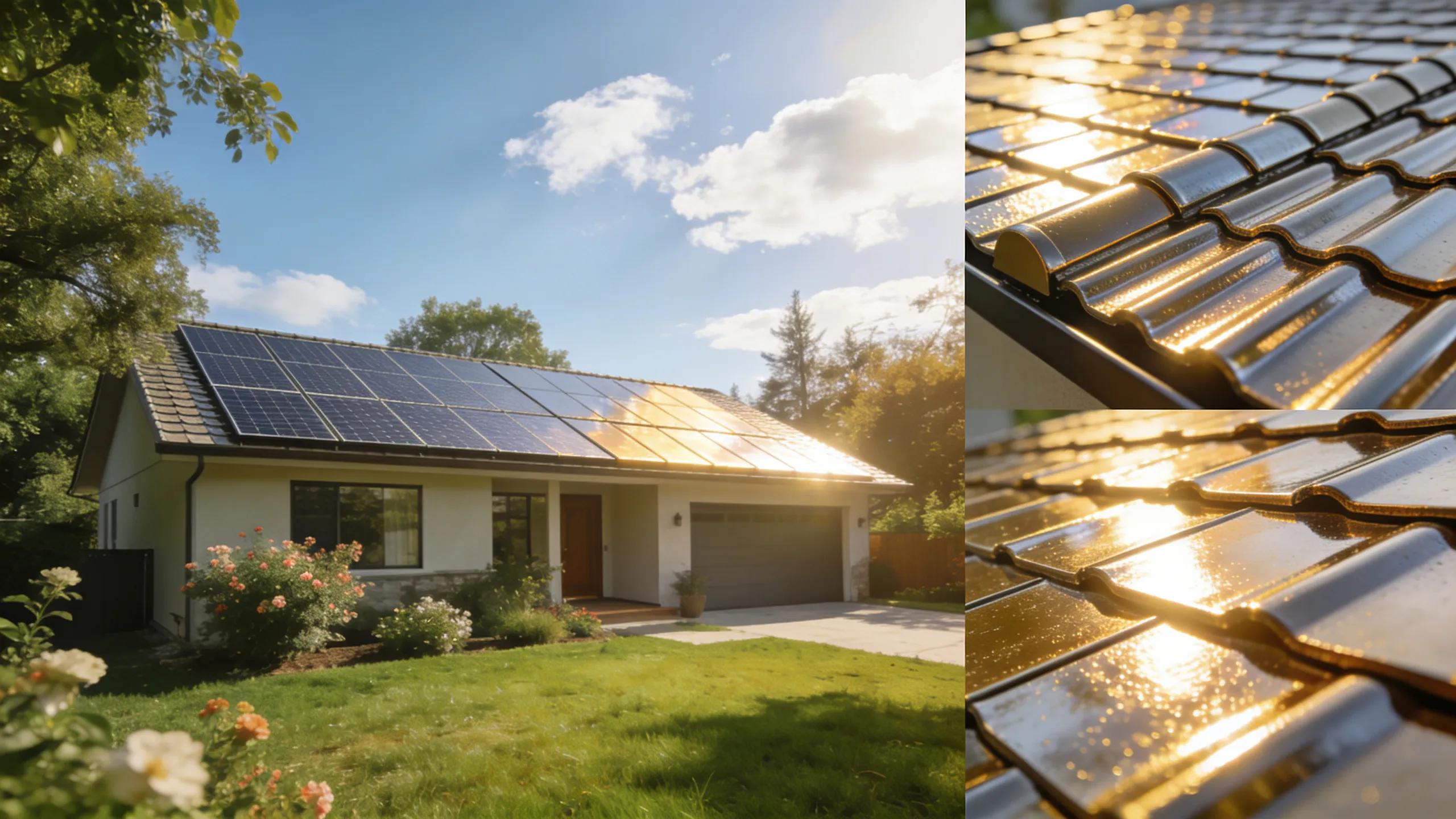
Choosing an energy-efficient roof can make a real difference in your home’s comfort, utility bills, and environmental impact. As energy prices rise, more homeowners are investing in materials and systems that cut cooling and heating loads while extending roof life. This article explains the most effective roofing materials and technologies, offers maintenance tips, and outlines warning signs that mean it might be time for a replacement. With the right choices, your roof can save money and reduce your carbon footprint.
Roofing Materials and Technologies
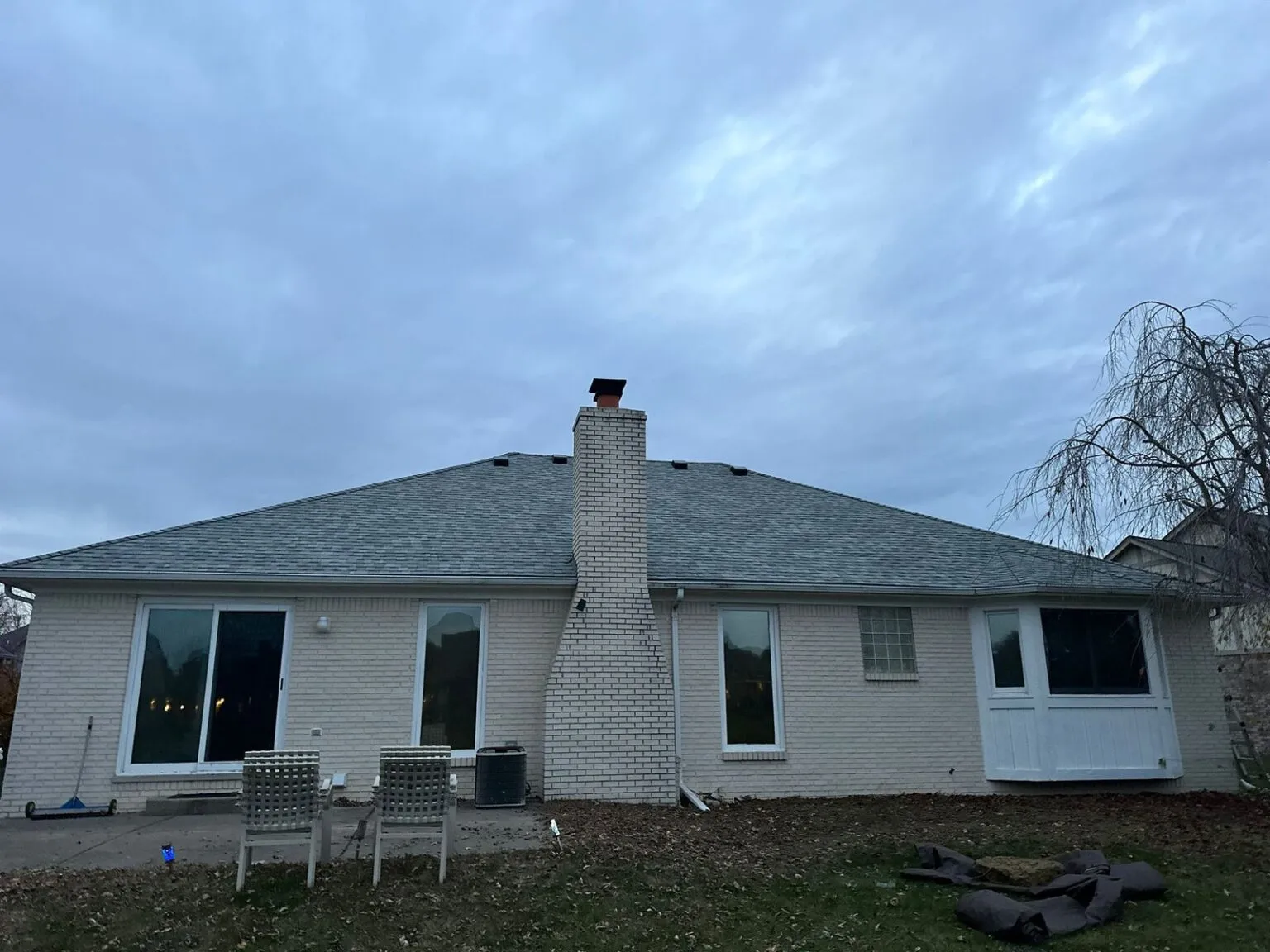
Picking the right roofing materials is key to improving your home’s energy performance. Different products deliver varying benefits in reflectivity, insulation, durability, and suitability for specific climates. Common options include reflective coatings, EPDM membranes, metal roofs, modern asphalt shingles, and several types of insulation—each with trade-offs that make them better fits for certain homes and regions.
- Reflective Roof Coatings: Applied over existing surfaces, these coatings bounce sunlight away from the roof to reduce heat gain and lower cooling costs in hot weather.
- EPDM Roofing Systems: A long-lasting rubber membrane often used on low-slope roofs; EPDM provides strong weather resistance and consistent insulating performance. Learn about EPDM roofing systems.
- Metal Roofing: Metal panels stand up to the elements and reflect solar radiation, helping keep attic spaces and living areas cooler.
- Asphalt Shingles: Today’s shingles are more energy-aware than older styles—advanced colors and granules can improve reflectivity and thermal performance.
- Roof Insulation Types: Proper insulation works with your roof assembly to prevent heat transfer and maximize year-round savings.
Professional installation and careful upkeep are essential to capture these benefits. For reliable installation and guidance, homeowners can turn to experienced teams like Certa Roofing.
Roof Maintenance and Inspection
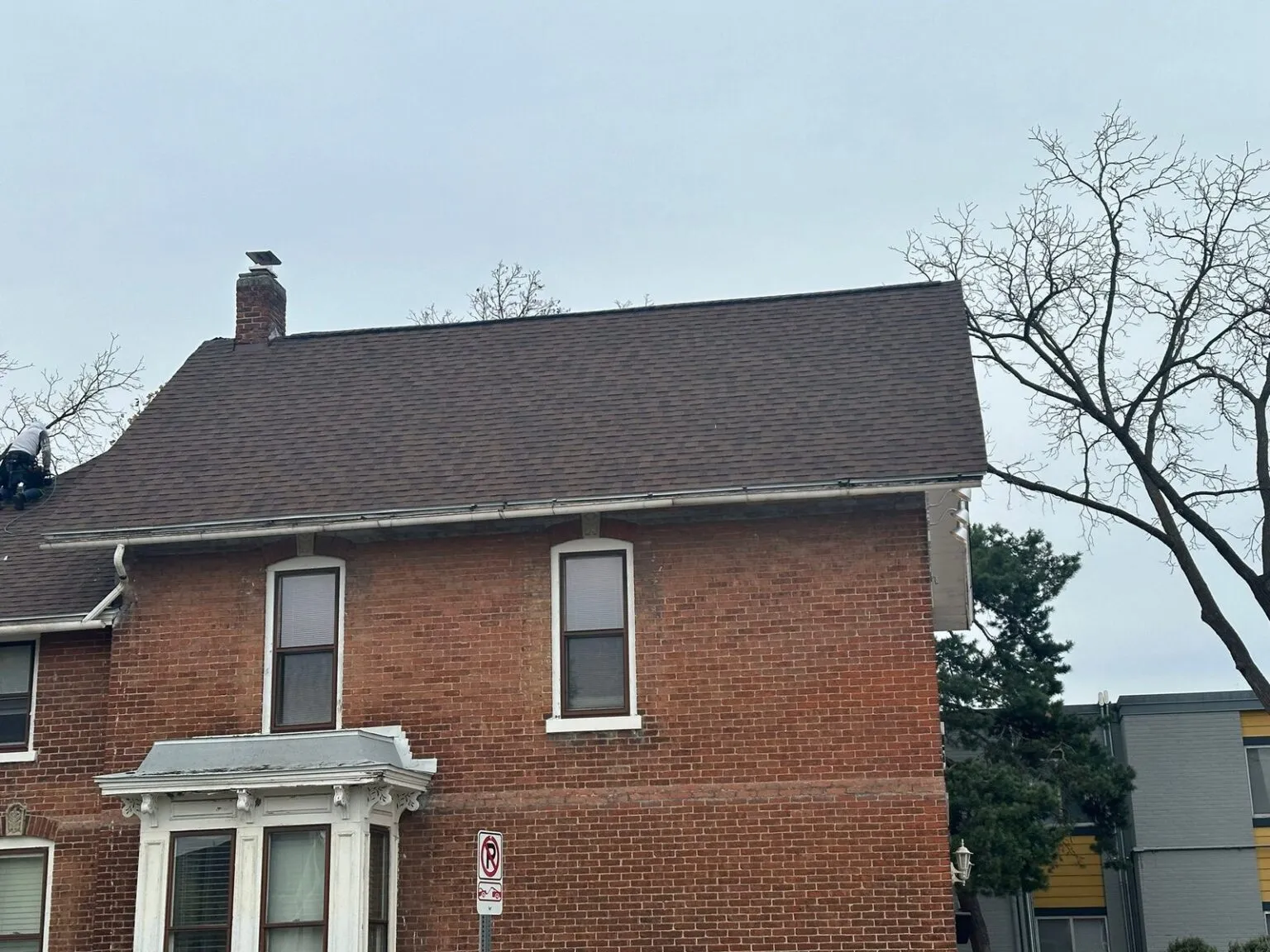
Routine maintenance and inspections extend a roof’s lifespan and protect your energy investments. Skipping regular checks often leads to avoidable damage and higher repair costs. Inspecting your roof at least twice a year—and after storms—helps catch small problems before they become major ones.
- Maintenance Tips: Keep gutters clear so water drains properly and doesn’t pool. Look for loose, cracked, or missing shingles and address them quickly. Check flashing around chimneys, vents, and roof penetrations for gaps or deterioration.
- Common Repair Needs: Replace damaged or missing shingles to prevent leaks. Watch for mold or mildew in damp areas, which can signal trapped moisture or ventilation problems that need attention.
Certa Roofing offers thorough inspections that identify issues early and recommend the right repairs to protect your roof and home.
Energy Efficiency Impact and Cost Benefits
Installing energy-efficient roofing can pay off over time through lower heating and cooling costs, and it can increase a home’s resale appeal. As sustainability becomes a higher priority for buyers, energy-smart roofs add both immediate savings and long-term value.
- Cost Benefits: Reduced utility bills help offset the upfront expense of upgraded roofing materials. Many homeowners also qualify for local incentives or rebates for installing energy-efficient products, which further lower total cost.
Beyond dollars saved, these roofs shrink greenhouse gas emissions and help reduce urban heat islands, supporting healthier neighborhoods and a cleaner environment.
Roof Replacement and Upgrade Signs
Knowing when to repair, replace, or upgrade your roof keeps your home efficient and protected. Watch for clear signs that it’s time for more than a patch-up:
- Visible Damage: Wide areas of curled, cracked, or missing shingles indicate serious wear.
- Leaks and Moisture Issues: Water stains on ceilings or walls, or recurring interior dampness, are red flags that need quick attention.
- Increased Energy Bills: A sudden or steady rise in utility costs can mean your roof or attic insulation is failing to control heat transfer.
Addressing these problems quickly prevents bigger repairs and helps keep your home energy efficient. For professional replacement options, see roof replacement.
How Do Roof Ventilation Systems Enhance Energy Efficiency?
Proper roof ventilation is a simple but powerful way to improve energy performance. Good ventilation balances attic temperatures and moisture levels, which reduces strain on HVAC systems and protects roofing materials.
Mechanisms of Roof Ventilation Systems
Ventilation works by moving air through the attic—warm air escapes in summer and moisture is expelled in winter. That circulation prevents excess heat buildup and reduces the chance of ice dams or mold caused by trapped moisture.
Common ventilation types include ridge vents, soffit vents, and gable vents; each helps establish the airflow your attic needs.
Michigan’s shifting seasons put extra strain on roofs, from heavy snow to summer heat. Our guide on Seasonal Roof Care Tips Every Michigan Homeowner Should Know shares tips to keep your roof protected all year round.
Benefits of Roof Ventilation Systems
Well-designed ventilation delivers several practical advantages:
- Energy Savings: Lower attic temperatures reduce cooling loads and can cut air-conditioning runtime.
- Prolonged Roof Life: Controlling heat and moisture protects shingles and underlayment, extending the roof’s service life.
- Improved Indoor Comfort: Better attic ventilation supports more consistent indoor temperatures and improved air quality.
Installation Considerations
Installing ventilation requires assessing your existing roof and attic layout to choose the right combination of vents. A professional evaluation ensures compatibility and optimal performance for your home.
Understanding energy-efficient roofing options helps you make choices that last. Certa Roofing provides experienced guidance and professional installation for both residential and commercial projects.