Seasonal Roof Care Tips Every Michigan Homeowner Should Know
Michigan’s weather changes fast, and your roof takes the brunt of it. Keeping your roof maintained through the seasons helps protect your home and extend its lifespan. This guide offers straightforward, practical steps for fall, winter, spring, and summer care so your roof stays resilient against heavy snow, ice dams, and changing temperatures. We cover everyday maintenance, inspection tips, and when to call in a pro — including licensed professionals who know Michigan roofs.
Fall Maintenance — Ready Your Roof for Winter
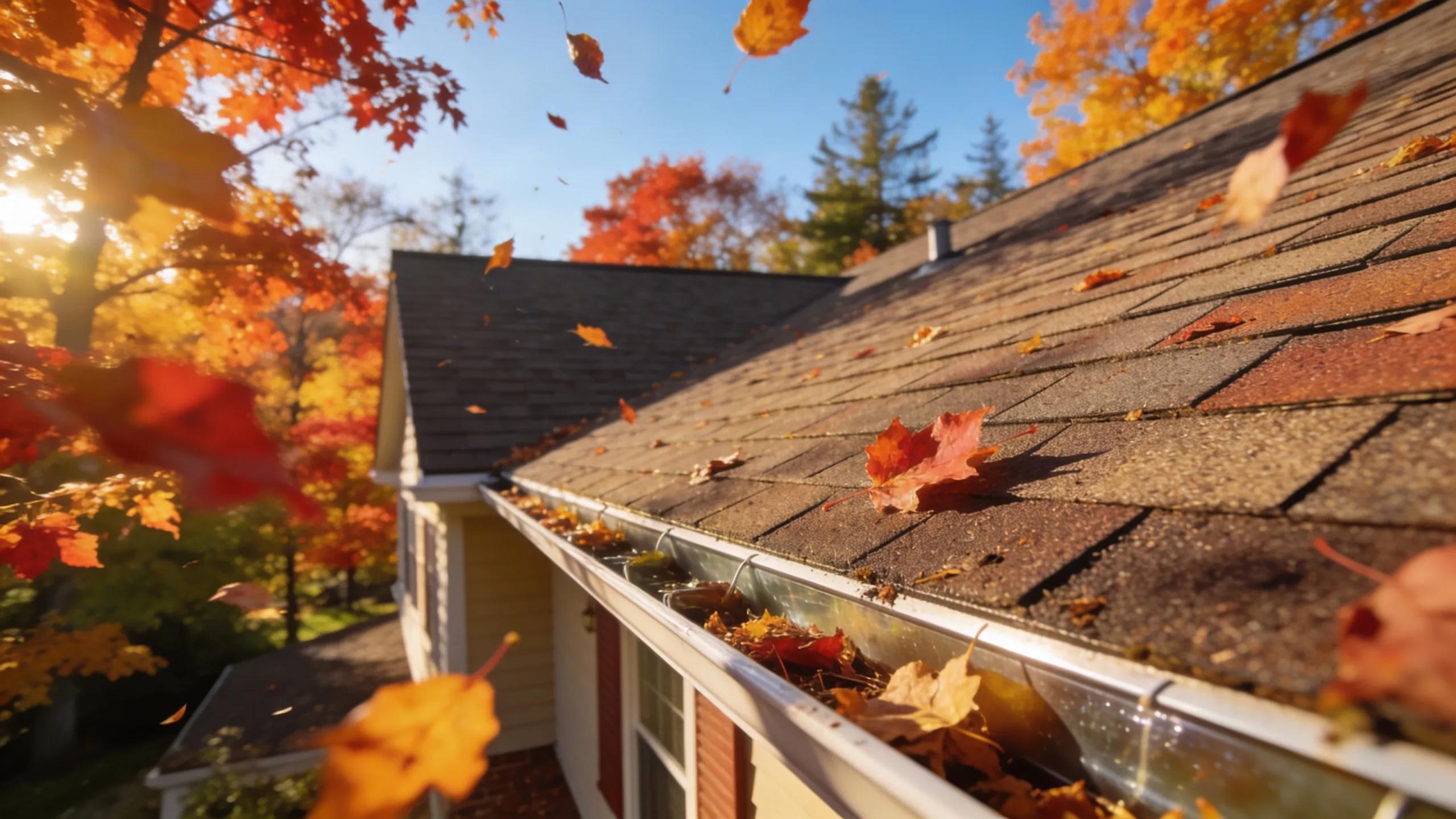
Fall is the best time to prepare for winter’s stresses. With leaves falling and more rain, take a few key steps now to avoid bigger problems later. Focus on inspecting for damage, clearing gutters, and booking a professional check if anything looks questionable.
Importance of Inspecting for Damage
Inspecting your roof in the fall lets you catch wear before winter storms make it worse. Look for missing or damaged shingles and check flashing and vents for gaps or deterioration. Fixing small issues now reduces the chance of leaks when temperatures drop.
Steps for Gutter Cleaning
Clean gutters thoroughly to prevent blockages that lead to water backup and ice dams. Remove leaves and debris, flush the downspouts, and confirm gutters are securely fastened. Consider seamless gutters to reduce future buildup.
Scheduling Professional Inspections
Schedule a professional inspection before winter arrives. Technicians spot trouble you might miss and can recommend targeted repairs to keep your roof weather-ready.
Winter Maintenance
Winter brings heavy snow and ice that can stress a roof quickly. Use careful, practical strategies to protect your roof and respond fast if issues arise.
Monitoring Snow Accumulation
Check your roof after big storms and remove excessive snow safely. Too much weight can cause structural strain — get help from professionals if you’re unsure how to clear snow without causing damage.
Preventing Ice Dams
Ice dams form when heat escapes through the attic, melting snow that refreezes at the eaves. Improve attic insulation and ventilation to limit heat loss, and consider heating cables in vulnerable areas to reduce ice buildup.
Emergency Repair Strategies
Have a winter emergency plan. Know who to call for fast roof repairs and keep basic supplies on hand to limit damage until help arrives.
Spring Maintenance
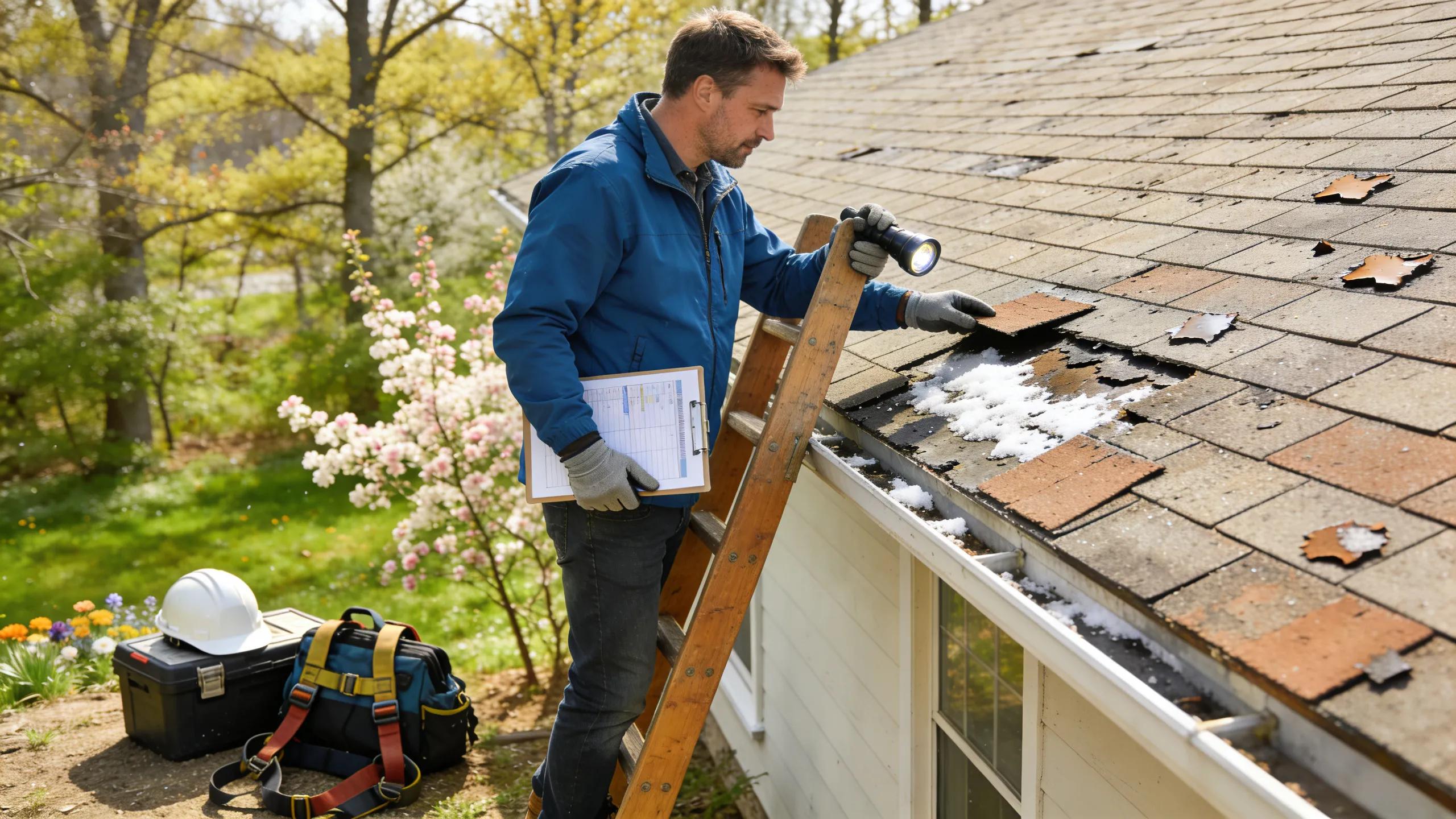
Spring is the time to inspect and repair whatever winter left behind. Focus on clearing debris, repairing damage, and setting up routines that protect your roof through the warmer months.
Post-Winter Assessment of Damage
Do a careful inspection for missing shingles, cracked flashing, or any signs of leaks. Addressing these problems early prevents more costly repairs down the line.
Cleaning Roofs and Gutters
Clear remaining debris from the roof and gutters after the last snow melts. This improves drainage and helps you spot damage. If your roof needs specialized cleaning, hire a professional service.
Preventative Spring Maintenance Routines
Set up simple seasonal routines — inspect, clean, and make small repairs — so your roof is ready for summer and less likely to need major work later.
Summer Maintenance
Summer’s heat and storms can accelerate wear. Use the season to address heat-related damage and confirm ventilation is doing its job.
Impact of Heat Damage
High temperatures can fade and warp roofing materials over time. Inspect shingles and flashings for signs of deterioration, and consider reflective coatings where appropriate to reduce heat buildup.
Checking Ventilation Efficiency
Good attic ventilation keeps temperatures and moisture in check. Verify vents are clear and performing well to prevent mold, rot, and premature aging of roofing materials.
Routine Inspections After Storms
After severe summer weather, check for missing shingles, dented flashing, or other storm damage. Quick, routine checks help you catch problems early.
Small issues like a minor leak can quickly escalate if left unaddressed. Our guide on Signs Your Roof Needs Immediate Repair: Leak Detection & Emergency Solutions helps you catch these warning signs before they turn into bigger problems.
General Tips
Simple, consistent habits make the biggest difference over time. A proactive approach to roof care protects your home and your investment.
Importance of Hiring Licensed Professionals
For inspections and repairs, hire licensed roofing professionals. Their experience ensures work meets local codes and lasts longer.
The Need for Proactive Measures
Address minor issues as they appear. Preventive action avoids larger repairs and keeps your roof performing well year after year.
Regular Maintenance to Prevent Issues
Keep a maintenance schedule and stick to it. Regular checks help you stay ahead of problems like water infiltration and structural wear.
How Should Michigan Homeowners Perform Roof Inspections Seasonally?
Seasonal inspections are the best way to protect your roof. Knowing where to look and when to act helps you get reliable results.
Key Inspection Areas
When inspecting your roof, focus on these critical areas:
- Shingles: Inspect for wear, curling, or missing pieces.
- Gutters and Flashing: Make sure gutters are clear and flashing is secure.
- Attic Conditions: Look for signs of leaks, moisture, or poor ventilation.
Recommended Timeline for Inspections
Inspect your roof at least twice a year — ideally in spring and fall — and always check after major storms or extreme weather events.
Maintenance Tips
Use a checklist to keep inspections thorough. Helpful tips include:
- Clear gutters regularly,
- Trim overhanging branches to prevent damage,
- Schedule an annual professional inspection.
This overview gives Michigan homeowners a clear framework for year-round roof care. For help with roof replacement or to explore different materials like E.P.D.M. roofing, consult a professional. If you have concerns or need repairs, contact Certa Roofing or view their completed projects to see their workmanship.