How to Choose the Right Commercial Roofing Company: A Practical Guide for Property Owners
Choosing the right commercial roofing company matters. The right partner protects your building, extends roof life, and prevents costly surprises; the wrong one can lead to recurring problems and higher expenses. This guide walks property owners through the practical factors that should shape your decision — from contractor selection and credentials to materials, warranties, and ongoing maintenance.
We’ll help you understand common roofing options, how to scope a job correctly, what warranties and insurance to expect, and how to evaluate a contractor’s credentials. You’ll also find hands-on tips for inspections, routine upkeep, and the key questions to ask before you sign a contract.
Key Considerations
When evaluating commercial roofing companies, focus on the practical factors that affect outcome and long-term value.
- Scope of Work: Be clear about whether you need a full installation, targeted repairs, or recurring maintenance. A precise scope ensures the contractor’s proposal matches your needs and avoids scope creep.
- Materials and Warranties: Roofing systems differ in lifespan and performance. Review material options, energy performance, and manufacturer warranties so you choose the best balance of cost and durability for your building.
- Insurance and Liability: Confirm the contractor carries general liability and worker’s compensation insurance. Proper coverage protects you if an accident or damage occurs during the project.
Certa Roofing focuses on these priorities, offering preventative maintenance, repairs, and professional installations designed to protect your investment.
Selection Criteria
Choosing a dependable contractor requires more than comparing prices. Use these criteria to narrow your options:
- Experience and Reputation: Look for a proven track record on similar commercial projects and read customer reviews to judge workmanship and reliability.
- Local Knowledge: Local contractors understand regional weather patterns and code requirements — that insight affects material choice and installation methods.
- Certifications and Licenses: Confirm the contractor holds the proper licenses and manufacturer certifications that demonstrate proficiency and adherence to industry standards.
Applying these filters helps you identify contractors who are equipped to deliver consistent, long-term results.
Tips for Evaluating Potential Contractors
Use these practical steps when vetting roofing companies:
- Get Multiple Quotes: Compare detailed estimates to understand fair market pricing and to spot unusually low or vague bids.
- Check Reviews and References: Ask for recent references and review past work in person or via photos to verify quality.
- Trust Your Instincts: Professionalism, clear communication, and transparent answers are good signs; if something feels off, keep searching.
Certa Roofing follows these best practices and shares project details to ensure transparency. Learn more about their approach and values.
What Are the Key Credentials to Verify When Selecting a Commercial Roofing Contractor?
Before hiring, confirm these essential credentials:
- Licenses: Verify the contractor’s business license and any required local or state credentials for roofing work.
- Insurance: Ask for proof of general liability and worker’s compensation insurance to protect you from onsite incidents.
- Industry Experience: Prefer contractors with demonstrated experience on commercial roofs similar to yours — past projects are a good indicator of future performance.
Checking these credentials reduces risk and helps ensure a smoother project.
Contractor Quality Control in Commercial Roofing
Special quality-control requirements for built-up roofing were written into the contract for three tactical equipment maintenance shops. Inspectors visited each site during construction to observe the roofing application and assess the effectiveness of the quality-control specification. The study found the specification was not consistently followed. The effectiveness of contractor quality control depends largely on the capabilities and focus of the quality-control representative. Improving CQC requires ensuring the quality-assurance representative spends sufficient time on the roof during installation to identify and correct deficiencies promptly and to confirm the CQC role is being performed properly. (Author: Evaluation of Contractor Quality Control of Built-Up Roofing, 1983)
How to Compare Commercial Roofing Materials for Building Suitability and Longevity?
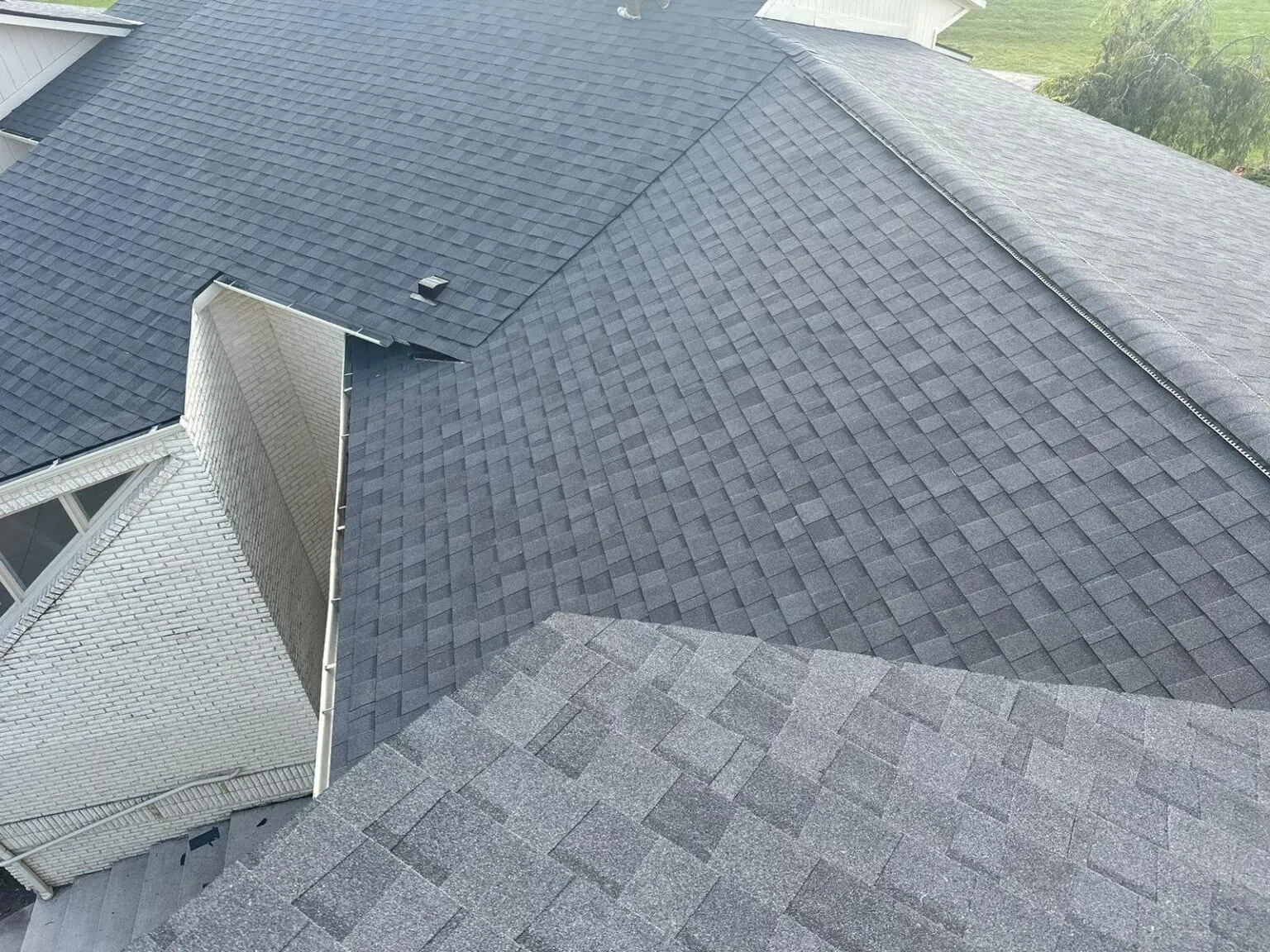
A careful comparison of materials helps you choose a roof that fits your building’s needs and budget. Key points to weigh include:
- Material Types: Options like EPDM, metal, and asphalt have different cost profiles and lifespans.
- Performance Characteristics: Assess expected lifespan, energy efficiency, and resistance to local weather stresses.
- Suitability for Different Climates: Match materials to your regional climate to optimize longevity and performance.
Below is a practical comparison of common commercial roofing materials:
| Material Type | Lifespan | Cost | Maintenance Needs |
|---|---|---|---|
| EPDM roofing | 20-30 years | Moderate | Low to Moderate |
| Metal roofing | 40-70 years | Low | Low |
| Asphalt shingles | 15-30 years | Low | Moderate to High |
Choosing the right material depends on your building’s use, budget, and long-term priorities.
What Signs Indicate That a Commercial Roof Requires Replacement or Major Repairs?
Spotting early warning signs can save you time and money. Watch for these indicators:
- Visible Damage: Cracks, blisters, tears, or missing materials are clear signs of deterioration.
- Water Leaks and Mold Growth: Active leaks, staining, or mold suggest water intrusion that needs immediate attention.
- Age of the Roof: If the roof is near or beyond its expected service life, plan for a full evaluation and likely replacement.
Addressing these issues promptly helps avoid structural damage and higher repair costs down the line.
How to Conduct Effective Roof Inspections and Maintenance for Commercial Properties?
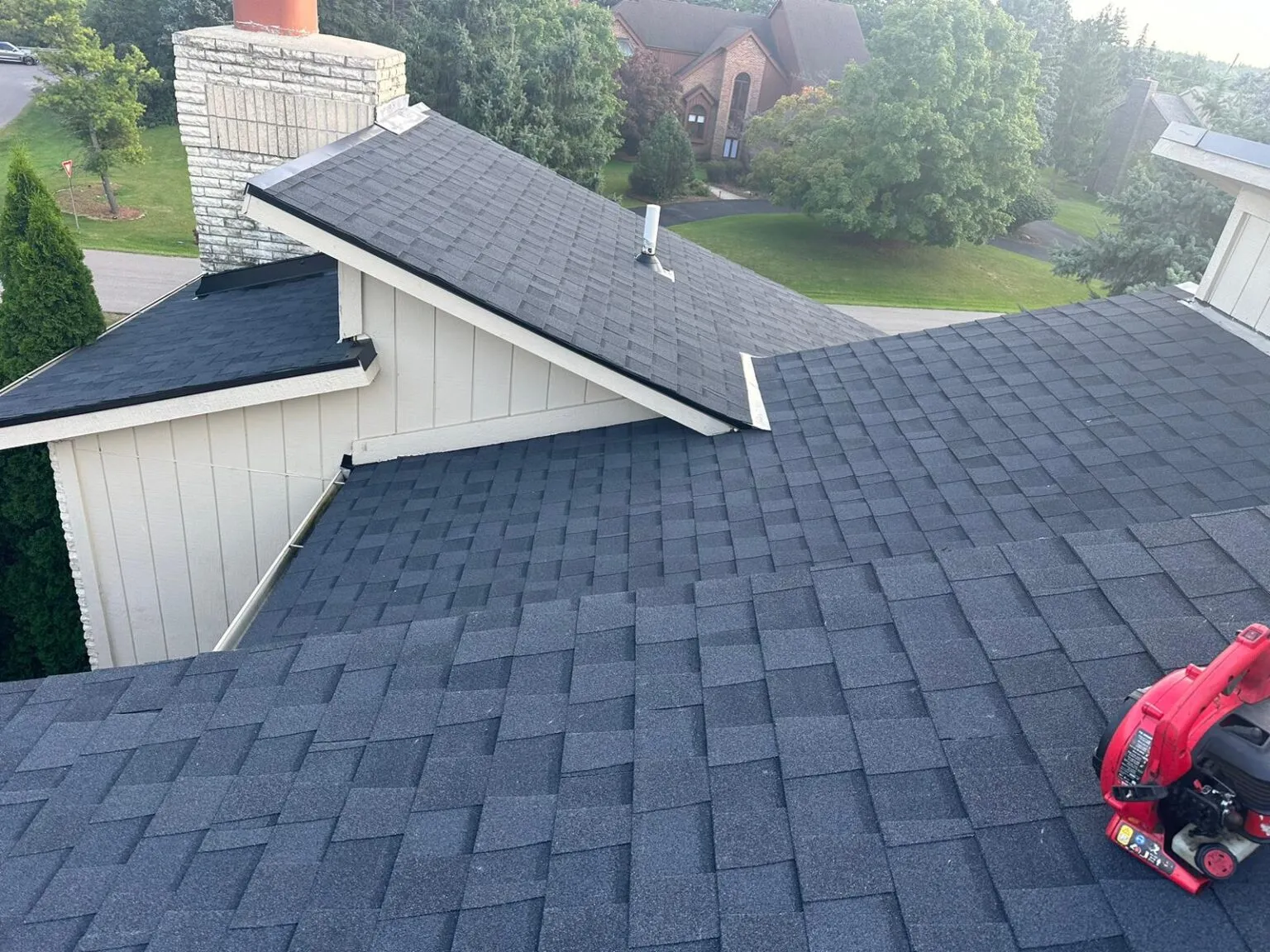
Regular inspections and preventative maintenance are the most cost-effective ways to extend a roof’s life. Follow a consistent process:
- Initial Consultation and Visual Assessment: Begin with a professional assessment to identify immediate concerns and set priorities.
- Detailed Roof Surface Inspection: Inspect flashing, seams, drains, and penetration points where problems commonly start.
- Summary Report and Recommendations: Ask for a clear report with findings, recommended repairs, and a maintenance schedule.
Consistent inspections and timely repairs protect your asset and reduce the chance of unexpected failures.
It’s also worth noting that the type of roofing material you have plays a big role in how often maintenance is needed and what issues to watch for. If you’re still deciding on the right material for your home, our guide on Metal vs Asphalt Shingles: Benefits, Costs, and Durability to Help You Choose breaks down the differences to help you choose the option that best fits your maintenance goals and budget.
What Questions Should You Ask to Ensure Choosing the Best Commercial Roofing Company Near You?
Ask direct questions to confirm a contractor’s reliability and fit for your project:
- Are you licensed and insured?: Request documentation to confirm legal compliance and coverage.
- What warranties do you offer?: Clarify both material and workmanship warranties, including coverage terms and duration.
- Can you provide references from past clients?: References and photos of completed work give insight into performance and professionalism.
These questions help you compare contractors on the things that matter most.
How Do Seamless Gutters Improve Drainage and Prevent Water Damage?
Seamless gutters reduce maintenance and improve water management in several ways:
- Reduced Leakage: Fewer joints mean fewer leak points, which improves long-term drainage reliability.
- Low Maintenance: With fewer seams and joints, these gutters tend to need less frequent repair.
- Long-Term Investment: Durable materials and solid installation help protect building foundations and landscaping from water damage.
Adding seamless gutters is a practical upgrade that complements a well-installed roof.
What Is the Role of Proper Ventilation in Maintaining Roof Integrity?
Proper attic and roof ventilation supports roof health by:
- Extending Roof Lifespan: Good airflow reduces heat accumulation and slows material aging.
- Preventing Moisture Damage: Proper ventilation limits condensation, lowering the risk of mold and rot.
- Improving Energy Efficiency: A well-ventilated roof helps regulate building temperature, which can reduce HVAC loads.
Prioritizing ventilation preserves materials and improves building performance. For a visual overview of our projects and completed work, please visit our gallery.